






These Related Episodes
Featuring
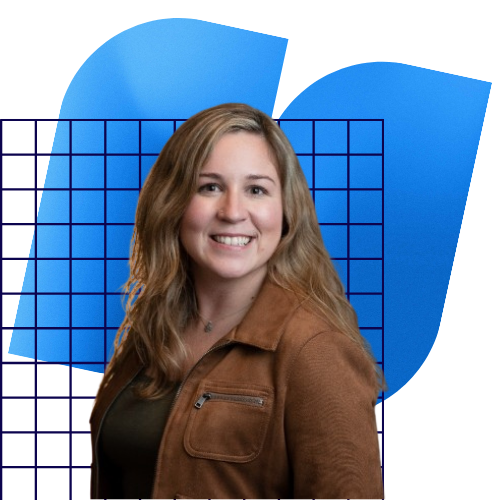
Jen Pritchard, CFP®
Simply Paraplanner
What if you could build a career in financial planning that didn’t require launching your own firm but still gave you autonomy, recurring revenue, and real impact?
On this episode of Behind the Advisor (previously XYPN Radio), I sit down with Jennifer Pritchard, who has built one of the most innovative roles in our profession: a virtual paraplanning business serving multiple XYPN advisors. Virtual paraplanning is easily one of the most requested topics from our listeners, and Jennifer pulls back the curtain on how she made it work.
After graduating from Texas Tech with a degree in financial planning, Jennifer tried the traditional paraplanner route, only to realize those firms weren’t the right fit. Instead of settling, she got strategic. She combed through XYPN advisor profiles, picked up the phone, and cold-called planners. That initiative led her to partner with four advisors in a mastermind group and structure a virtual paraplanning model that guaranteed her 30 hours per week.
In our conversation, we dive into the workflows, systems, and software she uses to seamlessly support multiple RIAs at once. We talk about how she tracks firm preferences, documents processes, and creates operational consistency across different businesses, all while evolving the model in real time as these young firms grow. It’s a candid, behind-the-scenes look at back-office firm management and the kind of process-driven thinking that powers sustainable advisory businesses.
If you’ve ever wondered whether there’s another way to build your career in this industry, or how to create leverage inside your firm, this episode is for you.
.png?width=672&height=168&name=XYPN%20Radio%20Blog%20signature%20(1).png)
Listen to the Full Interview:
Watch the Full Interview:
What You'll Learn from This Episode:
- How internships gave Jennifer broad early exposure to different firm models
- How she structured her virtual paraplanning business (and whether you need an RIA to do it)
- The software stack that allows her to work seamlessly across multiple firms
- How she secured long-term engagements with four advisors
- Why documenting processes is a non-negotiable for entrepreneurs
- How she builds and refines workflows across growing RIAs
- Practical tips for launching your own virtual paraplanning service
Featured on the Show:
- Jen Pritchard, CFP® | LinkedIn
- Register for XYPN LIVE
- XYPN Radio VIP Community
This Episode Is Sponsored By:

Read the Transcript Below:
00:00:01
welcome to xypn radio where your host Alan Moore brings you into a community of Fe only financial planners who want to profitably and successfully serve Gen X and geny clients if you're ready to get the knowledge you need from leaders in your field learn from Forward Thinking advisors and take action on your own goals xypn radio is the show for you here's your host hello and welcome to this episode of xypn radio I am your host Alan Moore and today I'm excited to bring you an interview with
00:00:28
Jennifer Pritchard a financial adviser that built a virtual pair planning business hearing from a virtual pair planner is probably the most requested interview from listeners and this interview definitely fits the bill Jennifer got her degree in financial planning from Texas Tech University before working as a quote unquote traditional PA planner in a few different raas she wanted to make a change and really put herself out there by ultimately cold calling different financial advisers until she found one
00:00:54
that she really clicked with and that adviser happened to be trace tisler an xypn member and one you've heard from from on this show after some time they came up with the idea of Jennifer working for four different financial advisers all in the same Mastermind Group which include Trace Angelie Scott Frank and Will Kaplan all of which have been on this show her story is pretty awesome and I cannot describe how impressed I am that this group has been able to make all of this work you can find any of the additional resources
00:01:22
that we mentioned during the episode at XY planning network.com 186 in addition to the typical resources you'll find a link to our recently launched book co-authored by kitus and myself titled the monthly retainer model what it is why it works and how to implement it in your firm this month's podcasts are brought to you by life insurance innovator Haven life Haven life insurance agency offers the first non-commission term life insurance that your clients can buy entirely online the prices are
00:01:49
affordable the application process is simple and the policies are fully backed by massachus Mutual Life Insurance Company plus some qualified healthy applicants can even be approved for coverage without the need for a medical exam this is life insurance the Modern Way visit Haven life.com advisors to learn more about how Haven life is partnering with fee only financial advisers please note that the opinions expressed by participants on the podcast are their own and do not necessarily represent the views of Haven life visit
00:02:18
Haven life.com advisors also be sure to go to XY planning network.com viip to join our private group just for xyp and radio listeners you can interact with other listeners ask us question questions and more without further Ado here is my interview with Jennifer hey Jennifer welcome to the show thanks so much for being on yeah thanks for having me I have to admit I am as excited about this interview as I've probably been about any other interview not to build it up too much but uh this is one I've been looking
00:02:49
forward to uh to having you on the show because you have one of the more unique and awesome jobs in my opinion in financial planning because you are like the quintessential virtual par planner I'm just excited to hear your story and hear how this thing works because we've heard folks mention you on the podcast actually not necessarily by name because Scott Frank trace tisler anelie and then Will Kaplan have all been on the show in the past all of which you work for so and I believe all of them have mentioned this
00:03:20
mythical person that they work with that is Jennifer so anyway again not to build it up too much so but as usual we'll take a step back and sort of start from the beginning so how did you sort of get into this career of financial planning so I actually went to Texas Teck University and they have the financial planning program there but I didn't start out as a financial planning major I actually started out as a math major because I really didn't know what I wanted to do and I took an elective
00:03:48
course like a non-elective or a non major elective course in financial planning and just kind of fell in love with it and switched my second semester and then I interned with three different companies while I was in in school three different firms yes so I got a pretty wide range of experience my first internship was actually with Edward Jones so I did some door knocking they have interns knocking on doors now that's a new low so that was really interesting so how long were you at that internship for
00:04:18
it was for one summer so yeah about two and a half months and then my second internship was up in Philadelphia with a life planning firm which was really cool and then my third one was actually with the company I ended up going and working with after I graduated college so three different internships it sounds like three different firms so for the the college students out there that are listening in do you recommend doing that many internships I mean was that a good call on your part I think it allowed me
00:04:43
to learn a lot and learn about the industry and what I was looking for but I do wish I would have spent at least one summer having fun because I didn't I didn't have a single College summer where I you know just had a little part-time job and had fun so I wish I would have done that spoken like a true type A personality so here I am I'm I'm like baiting you to encourage internships and you're saying have fun which is totally fair I if you can balance the two I think most people have too much fun and
00:05:12
don't do the internships but you went the opposite direction but it sounds like you got to see a pretty good breath I guess of the industry because if you worked on Edward Jones in a life planning firm like talk about two Polar Opposites to be able to see it I mean I guess what was your impression overall doing the three different internships of the profession like was it something that you were encouraged to get into or was it something you just sort of were like I got I got my degree in it so I might as
00:05:38
well stick with financial planning well there was a lot of ups and downs um with doing the three different internships one thing I did learn and actually I learned this even more once I graduated and actually moved around some more is that financial planning means something completely different to everybody and so that was kind of interesting to learn and kind of a hard thing to learn trying to find my place in the industry because people would say yes I want you to come and do financial planning for me but
00:06:02
that can mean many different things so yeah it's so true that it's unfortunate that we have so many different definitions of financial planning because you know and that's why we you start hearing these terms like life planning or wealth management I mean it we're trying to differentiate ourselves from the other guys who say they do financial planning but it's different than the way we do it because we all do this thing called Financial Planning and yet we all do it very differently so
00:06:26
okay so you did the three internships and then you said that last internship ended up leading to a job was it there in Leck where Texas Tech is it was actually in Midland so it's about 2 hours south of that and a small oil town that doesn't have many things to do at all I thought love like when I visited Texas Tech they bragged that they were the most rural city in the country like they're the furthest from any other major Metropolitan they were so proud of that fact so if you were two hours from
00:06:55
Midland that means it must be tiny yes so well it's it's kind kind of an oil boom town so when the oil is up then there's a ton of people that live there and way too many people but when it's down it's kind of a small town very conservative lot of CrossFit Gyms and churches so I will not take offense to the CrossFit comment but hey people got to stay healthy and so what position were you hired there for so I was hired as a paraplanner at that company okay and was there sort of this career path laid out
00:07:28
for you like did you have a career path there or was it just sort of come in and work and do the job and be done no there was a career path they actually have a really good career path the company's actually a great company and they have a big internship program and the career bath was basically par planner and then associate and then financial planner and then lead and as a paraplanner I did a lot more like kind of back office work and the the location I was in it was the smaller office and so I was doing a
00:07:54
little bit of both paraplanner and Associate and admin I was doing a lot of admin as well so okay yeah which you know from my experience most folks that get into financial planning are never excited to actually do the admin work it's helpful to to see how it all gets done but not what gets you out of bed in the morning so so how long were you with that firm then so I was actually only with the so I was with them for the summer but full-time I was with them for I believe nine or six months okay so not
00:08:22
very long sounds like my career path so what caused you to start looking elsewhere well there's just first of all the like was really hard on me and then just timing of kind of going into kind of a new office and things like that the timing was off as far as having enough for me to do I started looking at other places mainly Houston because I really wanted to get back home was the biggest thing all right and so I guess what firm did you work for a firm in Houston or is that whenever you sort of discovered
00:08:49
your current position so I did work for a firm in Houston I moved back home and actually was a waitress for about a month and a half and then I found a job at a company that's actually down the street from my house um and that company was primarily investment focused and I was hired on to lead the financial planning side of the firm and that was again when I learned financial planning doesn't mean the same thing to everybody yep and so it was primarily just kind of Social Security analysis and retirement
00:09:17
planning and that was about it so I quickly started looking more into the XY Planning Network once I found that out awesome yeah and I remember when I was interviewing for jobs there were a lot of investment only firms that were sort of in that like we want to bring Financial Planning in like we know there's a value we think it'll help with client retention but we don't really know what it is and I just remember the culture like talking to clients of those firms and and to the advisers the
00:09:42
culture just seems so not planning Centric that it just seemed hard to try to bring the culture of planning into a firm that was built for something else and you know transitioning all the existing clients much less all the advisers and and it just everyone to that new mindset is tough so for folks that are out there that are seeing some of those opportunities I would caution you or just tell you to take an extra do an extra interview talk to folks around just to be sure that that's the opportunity just because
00:10:10
sounds like that was sort of what you ran into was just the culture is it's a it's a strange fit I don't know it just doesn't fit right in a lot of instances well and it really doesn't and it's it's kind of it's it's very hard when you have someone who's been doing the same thing for 2030 years and they're wanting to change to kind of extend the life of their firm and kind of keep it going and but they're not willing to change yeah and the way their fee schedu or their
00:10:37
how they charge people's setup is so different and I was listening to the podcast at that point pretty much every single week and kind of listening the podcast about how the fee structures that you guys promote compared to what we were doing and he want to know part of that and it was just yeah was kind of a just philosophically just not a good fit so makes sense all right so how did you go about then so you knew about the XY Planning Network so how did you go about meeting your sort of current
00:11:04
employers so I had actually found the XY Planning Network when I was at my first firm and I think I scheduled time to talk to you because I was just trying to figure out what I can do and consider opening my own firm for about 5 Seconds um and I ended up canceling my call with you because I couldn't do it financially and so when I was at the second firm I started looking at the website and I pretty much went through everyone's profile about 10 times that was on the like find a planner page and Trace
00:11:34
tisler actually stuck out a lot to me first he uses DFA and then second he had a picture of himself holding holding a chicken which for some reason that just I that fit Conta yeah so I put in like a request to talk to him and when we talked it kind of just turned into more of a mentor relationship and for the next eight months months I talked to him on and off and then he connected me with Scott and angellie and we all kind of got along and it seemed to work real well and they were looking to hire and I
00:12:09
was looking to find a new job and so it kind of just worked out it's just amazing to me the doors that are open whenever you're willing to take some initiative and even just you know back at you know whenever you in college doing three internships like that's what open the door that the final internships would open the door to that first job even though you didn't stay there you know for your entire career it still open the door to sort of getting your foot in the in the world of financial
00:12:33
planning and just you know going through and trying to find advisers that you know can that you can ask questions to and help connect with it does require a little bit of initiative it requires a little bit of leg work but you know I think the the results cannot be understated or I guess they cannot be overstated because obviously it's it's worked out well so you know for folks that are out there I think that's the one thing that I guess the Common Thread that runs through every interview that
00:12:58
we do on xypn radio is that like it's a bunch of people that took some level of that went the extra mile that took the extra initiative to do what was necessary so now at this point have you sat for your cfp because I'm assuming your college degree qualifies you on the educational side for the cfp yes so I actually took it last November so well November 2015 November 2015 okay so were you still with one of the other firms or this is after you've started in your current role no I was at the firm here
00:13:30
in Houston whenever I took that gotcha all right yeah it's so nice to get that thing knocked out um for anybody studying for it it is it it sucks like it just does no one's excited to study for the cfp exam but once you pass you don't have to retake it so awesome so talk to me a little bit about sort of the the initial conversations obviously you developed this relationship with trace and for anybody who hasn't met Trace he is awesome he just has a great personality and it does not surprise me that he was
00:13:58
holding a chicken in a picture so how did the initial conversation start for you with I guess the group so with Scott and Trace and anelie so when I initially talked to trace I was calling to kind of ask how do I do what you do how do I get there financially and we kind of went back and forth you know I'm I'm not in a place financially to start my own business and I'm right out of college tons of student lanss live with Mom it just wasn't going to happen and I don't have the I don't at
00:14:25
least I don't believe I have enough experience to do that because and I and I thought I did at the time but after working with the three of them I realized I don't and I have a lot to learn but so I went from kind of talking to him about starting my own firm and that changed over to I was actually interviewing with another firm here in Houston and it was your suit and tie firm I would have had to drive an hour into work kind of more traditional but they definitely did more planning and we
00:14:52
were talking one day and I was really frustrated and I finally just said it would be so cool if there were a couple different XY people who could hire me parttime and it would equal full-time and he kind of light bulb went off and he's like well you know what I may have a solution for you so it that's it was just out of pure like organic conversation and he got me in contact with other two and we did kind of a informal interview like a video interview with all three of them where I got to meet aneli and Scott and we all
00:15:23
just clicked and it kind of went from there so I guess we're alluding to a few things that were mentioned in previous podcast so just to sort of I guess give the full picture so the three of them plus Will Kaplan are in a study group and and they were all very early members of xypn so they joined xypn they they got in this study group they started sort of working together and seeing you know sort of similarities in their businesses and I think that ultimately that study group sort of those conversations rolled into like hey none
00:15:51
of us are able to hire you know a full-time person right we're not big enough we just haven't grown to that point we could go out and hire a par planner you know for 10 hours a week or something like that but this is a unique model this is the only time I've ever seen this where you know three people basically said okay well why don't we just hire one person and split them among the three of us and usually firms are so different that that's not a reasonable thing to do so obviously this
00:16:18
has worked out so y'all have found a way to do this so you did the video interview and then it did basically they just sort of went back to the went behind closed doors and and made you an offer I mean kind of pulled pulled everything together you offer is that sort of the path kind of um so anelie was actually about to have her baby and so she was the first person that was ready to hire me cuz it was still in this kind of they weren't sure if they were ready they didn't know if they had
00:16:42
enough hours for me but with Anie having her baby she was going to have enough hours for me at least for her portion of it so I actually started working with her first and then after about I think it was two or three weeks the other two decided that they were ready to bring me on as well but I didn't quit my full-time job until the other two were on board because I needed a guarantee that I would get my at least 30 hours a week from them before I was willing to quit my job and kind of go the um business owner route so all right
00:17:15
so anelie was the first one to grab you but they were willing to commit that you know 30 hours a week you know in order to get you to leave your job yes so did you start working for all three of them at once or you just sort of slowly started with Anie and then went from there I started with Angelie and Anie got me set up in all the technology which made it a lot easier when I started working for Scott and Trace but once I started working for Scott and Trace then it was just all three of them at the same time when we were just
00:17:42
figuring it out as we went yeah no that so awesome so did you establish an RA and that or a business entity at all and then they hired you or are you an employee of the firm like I guess what's the the legal structure that y'all went with so in 2016 I started an LLC and so they hired me on as contract worker okay um and I was paid on an hourly basis but as of this year I am actually an employee okay so yeah and and I've heard this done a couple different ways for folks that are looking at starting a
00:18:17
virtual pair planning business I you know I I remember when I went through this that compliance sometimes is easier if you have an RA but it's also you know whereas like you would have started an C and then you register as an raia and then they're Outsourcing to the raia and it has something to do with the agreements where it's easier to subvis some of the work I can't speak to all of that but I don't know it it depends on the type of work you're doing or whether or not it's that's necessary because I'm
00:18:42
assuming in this instance you aren't registered as an i of any of their raas in 2016 correct like you're just a contractor that's correct so I because I don't have the cfp and I haven't taken the 65 I'm not registered um so I'm not in any kind of advice giving capacity they were able to hire me on is purely contract work where I wasn't giving any any advice to people okay so what type of technology is the group using so to each of the three of these three advisers and in the before the we
00:19:14
started recording you had mentioned that you just started working for Will Kaplan as well so now you have the four of them like are they all four using different technology or are they all using the same stuff they're all using the same stuff for the most part there are some differences but as far as like the CRM and the planning software those are both the same across the board and email that's the same has that helped I guess as you've been coming on board with the other advisers is it helping to for you
00:19:40
to do your job more effectively if everybody's sort of using the same Tech stack yes it helps a lot we meet once a week as a group so we're trying to streamline it where everyone's pretty much doing the same thing so that I can do the same thing no matter who I'm working for so especially the CRM having everyone on the same CRM really helps cuz we can create workflows and processes that I can use no matter who I'm working with very cool so I guess if you it's a hard thing to ask for but
00:20:08
like if you were running a virtual pair planning business for advisers that weren't in a study group together and therefore willing to go the extra mile to make your life easier I mean I wonder would your recommendation be that you know you only work with folks that are using very similar Tech Stacks or do you think it's possible to work you know with with folks using different crms or different planning tools or would that just be way too you know across the board I guess too chaotic I think it
00:20:33
works I do know there's another PA planner that I know virtual pair planner that I know that I think he works with people who they don't work together and so he has to work with different crms and different planning softwares so I think it can work I think it makes it more difficult I don't think you have the same amount of capacity as I do working with people who have the same Tech stack but I think it is possible so does it feel at this point like you're you're almost just sort of working for
00:21:00
one advisor instead of for four if they're all using sort of similar same technology and similar processes is it sort of plug in play as you move between the advisers it is I mean right now I feel like I'm working for one firm that's awesome yeah and that's what's unique about this like I I've heard the virtual par planning model of you know I work for four different firms and they all have different crms and different processes and different things like which just sounds like a nightmare to
00:21:24
keep track of like is this the adviser that likes it this way or does you know is this the one has this one piece of technology that I only log into once a quarter whatever like it's awesome that you get to sort of continue using the same pieces so right well and they still have a lot of differences between all of them but it's not Technology based it's more of a preference based and how they are used to doing things and communication style as well is very different between all of them so there's
00:21:50
still some things that I have to learn based on who I'm working with but as far as technology goes it's pretty seamless that's a great point there there are a lot of different es so it just takes one of the differences off which is you know what what types of systems you're using so and I guess just real quick what technology are they using in their firm so what what's their CRM planning software and sort of other major tools so we use red tail for our CRM and then e-money which e-money is really nice
00:22:14
because it allows them I only have one login with e- money because all they have to do is share their clients with me so I don't have to worry about signing in you know three or four different times and then what else I know Orion we use we there all the same custodian what probably TDM trade would be my my guess yep okay all right awesome so okay so similar technology what about the actual processes that they're using from I guess for the the task that they're handing off to you have I guess are they pretty are they
00:22:47
pretty similar at this point we're getting there so that's a big part of my job actually is creating those processes and then making sure they are following them is a big part of my job that sounds about right but it's a work in progress I mean we we will'll set up a workflow and then we realize two days later we need to change it so and I think that just comes with being newer firms and figuring out how to work together okay so maybe it'd be easier to go back to when you first
00:23:16
started working for anelie I guess how had the processes evolved how did she onboard you and then I guess hand you processes so with Anie it was more Project based when I first started so it was hey can you do some research here she showed me like her cash flow Excel spreadsheet and would teach me some things and then I'd go off and do it so at first it was a lot of processes and then we I spent the first probably month working with all three of them just getting data organized as far as documents go and things like that so the
00:23:49
first couple months was a lot of just getting organized and then as we did that we started creating processes there weren't a whole lot of processes in place when I started so I have been kind of creating the processes as we go and I've been the M like I think I kind of push them to create processes because they didn't really have any before me yeah not to make me no no the beauty of being an entrepreneur it's tough to I Don't Know It's just tough to get all that done you know I mean you have so
00:24:18
many things going on that processes are the last thing you think about and honestly most firm start the process building part once they hire somebody because it's the most effective way to actually have you doing your job and be sure you're doing it the way that needs to be done is that you start to document the steps so I guess what is your process with them for documenting a process I mean how does it go from hey this is something I generally just do on my own to okay this is something now
00:24:45
Jennifer can take and Implement and do regularly so what we've been doing is as Scott Ken of says we don't want to do something and just do it once we want to do it and then be able to do it thousand more times so I've been working on if I do something I create a workflow within red tail and then I present it to them the next week so a lot of it is more of a as I go and I realize hey this could be a process I go in and create it within our CRM and then just present that to them and like I said we're
00:25:15
constantly changing things as we go but getting that base process in place is important have you been given the authority to say like hey you're not following the process like follow the process are you getting to that point cuz I just feel like that's going to be important you know if as an entrepreneur I understand I I don't want to follow the process but I have to otherwise my team wants to kill me so yes and they all know and I've I kind of I'll say it then I'll be like I'm sorry if I'm
00:25:42
coming off bad but we just have to follow this so and they they all know and that and the thing is is what I usually do is if someone has an issue with the process I say okay I'm gonna write this down and let's talk about it on the group level on Monday so it's not just like one person making the decision we do talk about it as a group group and they do let me kind of push them and remind them that they need to follow the processes but so where do you find the Hang-Ups in terms of following the
00:26:07
process are just different preferences on the way things are done or just they use systems differently I guess what kind of what are the issues that have Arisen in this type of case I think it's just kind of personal preference and then also habits habits that they've built at their prior firms I think have carried over I mean they've been I mean even though they're young planners they have been in the industry for you know I want to say you know 10 years and so they've created habits they're all
00:26:33
different so kind of getting them on the same process and having them doing the same thing has been difficult just because of that and then just personal preference and then also just figuring out things don't work with certain ways that we set things up so so and I guess that's the iterative process that fascinates me because it's not something I'm very good at is this whole like okay so you do the initial mapping out and are you using any particular software or just using sort of red tailes built-in
00:26:59
workflows pretty much red tail I actually will usually type it out in word before just so I can you know understand it and then I'll enter it into our CRM I've seen a couple different ways of doing this and it just sort of depends on the way that you think I know a lot of people do word that's actually how I do it I've seen others that do it visually like with glyphy where which is like a it's almost like PowerPoint like little smart icons where you can sort of connect them and
00:27:24
it's like a visual flow chart some people think more like that there's different it's almost like mind mapping so there are different ways of doing this so so you do it in word and then you're sort of putting it into red tail and then testing it sort of run through it and see where it breaks pretty much if we find it we I mean there's been a couple workflows that I've had to go back and change you know two or three times just because we realized oh there was a step that should have been in
00:27:47
there that wasn't in there or we need to move this step to step two instead of step four just based on practice and doing it sure is it documented to the point that like I could log in to Scott's system and follow a process and actually do it for him like is it literally you know somebody who from from outside the firm who has no idea how the process works is it documented to that level of click here click there do this or is it a little higher level it's probably a little bit higher level
00:28:16
but we're hoping the goal for this year is to focus on those processes and so hopefully by the end of 2017 you'd be able to go in and know exactly what to do all right yeah and I think that's probably of the issues that people try to take on too much right like every workflow they initially want it to be every single click which I understand and that's a probably a good workflow but I like the way y'all are doing it where you sort of outline it run through it test it be sure it actually works
00:28:44
because you can get so detailed and then it doesn't actually work because you put step four where step two should have been and just sort of iteratively work on that so I mean how much of your job at this point then is the documentation of the workflows as opposed to actually getting in there and doing the the actual work I wouldn't say it's a big portion I mean I don't know it's kind of hard to put a number on it I mean some some weeks it's like all I do and then the other weeks I don't do any of it so
00:29:12
I mean it's just kind of depending on whenever we have a lot of client stuff going on you know I can't focus as much on creating workflows and things like that but the idea is that as we do things I'm creating workflows as we go but I I also do a lot of other things just create the processes so I would say probably 25 35% of my time is spent on processes yeah and that that's a huge undertaking I mean that's you know and I guess the expectation is generally that the that one of or the firm owner would
00:29:43
be the one documenting but you know this works because especially if if that's how your brain thinks you know and the way that you operate which for many of us is not the way we naturally operate is not in process land but if it's the way you do then you're probably best suited for for doing that well it helps a lot because I'm the type of person where I have to know why we're doing what we're doing so the fact that I'm coming up with you know the process that means I know exactly why
00:30:12
we're doing it then it works really well and can push back when you're seeing errors and holes yeah and I love it I remember you know my first boss Rick he and I would say something to a client and you know come back and and the operation team would be like can't say that like we can't actually do that you know and they were always the ones that were calling our you know Bluff and we thought you know of course you can get money out of that IL liquid Reit in you know in three days you know and it's
00:30:41
like no that's not how that works and so they were the ones that actually knew how everything operated we were just the ones telling folks about it which sounds sounds like your role as well so extremely powerful and this is one of the pieces out there for young financial planners is that you know when we talk about financial planning we always have a lead planner mentality right like everyone goes and they become a pair planner and Associate advisor then a lead planner and I'm not saying that
00:31:05
that's not necessarily your path and you may want to become a lead planner one day but there are folks out there that are just really freaking good at operations and management and processes and those folks are harder to find Professional Management it for raas is actually harder to find than advisors which are already hard enough so you know for the folks out there that are like you know what meeting with clients is you know and actually being the one doing all of the handholding and and you
00:31:32
know communication and all of that isn't really my thing but I think financial planning is really cool and a really valuable service offering this is a fantastic career path and and a direction to go because it's extremely valuable it's necessary for a growing firm that wants to scale you know to have folks like you running you know kind of running the internals MH well and I for sure want to be an advisor but it's not that I necessarily like doing the processes but I need them to
00:32:00
work and so it's more of a kind of like I can't function without processes it's just very hard for me and I think like I know Scott likes the processes a lot too and it just it makes things more efficient and it makes it being virtual and being that I can't just walk down the hall and talk to them we have to have the processes in place and so I think it's just kind of that that that's what pushes me to kind of be more focused on that that's a fair point so do you feel like because you're virtual
00:32:27
you need more processes than if you were in their office yes I do okay and that that's a great recommendation for the for the advisers out there that either work virtually with their clients or are hiring virtual staff that maybe they need to focus more on the processes and process building before they're actually hiring someone so in terms of sort of setting this up I mean for the again you're sort of in a unique situation because you're you sort of came into this with a couple of advisers and
00:32:54
working for everyone at once but for the folks out there that are thinking like you know I want to get experience in financial planning I want to be able to work for in financial planning but we don't really have advisory firms where I live and you know maybe virtual par planning is the way to go I guess what do those folks need to do to sort of go down this path that you've taken I guess what recommendations do you have for them that's kind of a hard one because I do I actually know quite a few people
00:33:16
who are interested in doing what I'm doing and some of the difficulties that they're running into is you know most advisers only want to hire for 10 hours a week and they're not I mean the is a little bit on the lower end and so it's kind of it's hard to find that perfect mix like I did but so and I guess the biggest thing is you have to be willing to take a chance you know I went from having a pushed salary to getting paid hourly and only guaranteed 30 hours a week so I would say how knowing who you
00:33:48
want to work for as far as like philosophies and things like the typical you know what you would tell anybody is knowing who do you want to work for and then being willing to to kind of make that jump and leap of faith that it'll work out I mean it's kind of the same idea as opening your own business I mean that's pretty much what I did but definitely finding people before you make that jump that can kind of make up the hours you need before you do make that jump I think is a big thing it's a
00:34:17
great point that you're starting your own business this is not going and taking a job and getting a salary so even if you know even with a guaranteed 30 hours a week right like you're you started your own business and I'm assuming like you're getting paid from three or even four different people and you're having to do your own bookkeeping uh which you know does that sound accurate like those are all the things that you're having to do is basically run your own little business pretty much
00:34:40
and that was all in 2016 I'm I'm W2 now so it's a little bit different but yeah for all of 2016 I did my own like calculated all my own expenses mileage all that kind of stuff so those are the parts of running a business that make you never want to be a business owner yes is like now was this meal for you know expensable or not that we had this happen at because we're a partnership xypn like if we buy a meal for our team we can deduct it if kitus and I because we're owners eight then we
00:35:10
can we can only deduct 50% of that I think so it's like tracking all those little things and like literally writing on a receipt this was Alan's meal and this was Michael's meal it's like oh my gosh but necessary to to keep the tax man happy or yourself happy because otherwi it's deduction so you get less taxes if you get to write things off so yeah I think that this is fascinating because again one and this is why I'm was so excited to hear how you're doing this because I wonder if you know if
00:35:38
there's an opportunity I know it's hard to find or to build this but like I think you're in the I think you've built the ideal scenario which is you know working for three or four different advisers that have very similar technology if not the exact same and similar processes now not everyone's going to be in a study group together and willing to meet weekly and let you tell them what process they're going to follow because someone else you know really likes their process this way but
00:36:05
streamlining it to the point that it doesn't feel like you're working for you know four different companies and four it almost feels like four different Industries because they're just so different well and I would say that if you're if you are going to work with multiple different companies like that don't work together then coming up with your own processes and I think is a big thing s coming to those firms with your own processes and saying this is how I do things do you want to work with me I
00:36:30
mean that's probably the easiest way if you are going to be working with multiple firms that you have different you know service offerings and technology and all that kind of stuff I think that's a great point because then it's more of an Outsource then as opposed to you know bringing someone onto the team to do their process but then you could say hey look this is the way I do planning this way I know how to do it I'm super efficient if you want me to run your process it's going to take
00:36:55
two or three times as long so you know most business owners are going to uh prefer to pay you less uh for Less hours and let you be more efficient so now when you went out on your own how did you handle things like benefits and that sort of stuff I guess you're still young enough to you can stay on parents health insurance and that sort of thing or were you able to go out and just get insurance on the exchange or no so I'm young enough that I got to stay on my dad's insurance and I have two very
00:37:20
young siblings so it didn't cost them anything to keep me on the insurance so that was nice and then I mean didn't really none of the other I didn't really have very many benefits at my prior firm so I didn't lose a whole lot yeah it's a very common question for folks that are going on their own it's like how do you do health insurance like I get mine on the exchange because you know we we really don't have any other options in Montana but nice if you're young enough to stay on parents
00:37:45
insurance so awesome well as we're sort of wrapping up you know I guess my famous last question and famous to me only you know if you think about sort of the the younger Jennifer that not too long ago but was was looking at you know maybe breaking away and doing this virtual thing and whatnot if there's one thing that you wish you had known then that you sort of learned over the course of time what do you think the one piece of advice would be that you'd go back and give yourself probably to ask more
00:38:12
questions that's something and that's probably more up back to college Jennifer yeah is just to ask more questions listen more just be more aware of what you're getting yourself into just it comes down to asking questions yeah it's easy to be sold you know on whether it be div vision for where the company's going and that's where you know I lament a lot about the unsigned Promises of ownership that that a lot of young planners get and it really does come down to the fact that we can get
00:38:41
sold on yeah come in and in five years get take over the firm and you're like hey you know what come to find out if I'd asked more questions I'd have found out you've been saying that for 15 years to four different people and you still hav sell the fs so maybe not the best call but and it can be tough you know especially when you're young and and you're looking for that job that it feels like you've got to go get a job and you just got to take the opportunity that's in front of you but one of the
00:39:04
things about financial planning is there's just so much opportunity out there we are so desperate for young planners that you know for the young planners out there you can be patient there are jobs for you I promise I don't know unemployed financial planners like they just they're just not out there but there's so many opportunities that it's okay to be patient you know and really wait until the right thing comes along and and if it doesn't come along you can build it just like you've done which is
00:39:30
sort of build this your own little business you know that I'm assuming allows you to work from home and or at least live in the city that you that you want to live in and do the type of work you want to do working with the clients you want to work with like I think that's just such an awesome example of building your great life and staying really focused on that well Jennifer thank you so much for taking the time to be on the show today and sharing your experiences we really do appreciate it
00:39:52
yeah you're welcome thank you for having me this month's podcast are brought to you by life insurance innovator Haven life Haven life insurance agency offers the first non-commission term life insurance that your clients can buy entirely online the prices are affordable the application process is simple and the policies are fully backed by Massachusetts Mutual Life Insurance Company plus some qualified healthy applicants can even be approved for coverage without the need for a medical exam this is life insurance the Modern
00:40:21
Way visit Haven life.com advisors to learn more about how Haven lifee is partnering with f financial advisers please note that the opinions expressed by participants on the podcast are their own and do not necessarily represent the views of Haven life visit Haven life.com advisors be sure to join our VIP community at XY planning network.com viip to hang out with other xyp and radio listeners ask questions for future mailbag episodes with myself and kitus and to finally find a community of like-minded financial advisers thanks so
00:40:52
much for joining me today we'll see you next time you're not alone and you're not crazy CRA it's scary starting building and growing your own financial planning firm and that's why we put together a free private Community Just For You The Cutting Edge financial planner go to XY planning network.com slvp or text xypn radio to 33344 and join a network of thousands ready to change the lives of Gen X and geny [Music] clients
Unlock behind-the-scenes content—subscribe now!
Featuring
Jen Pritchard, CFP®
Simply Paraplanner
Share
Coming Full Circle: Relaunching a Purpose-Driven Firm
Coming Full Circle: Relaunching a Purpose-Driven Firm
Jul 2, 2025
Scaling Your RIA
Scaling Your RIA
Feb 11, 2026
The Importance of Self Care for Surviving Entrepreneurship
The Importance of Self Care for Surviving Entrepreneurship
Jan 28, 2026