






These Related Episodes
Featuring
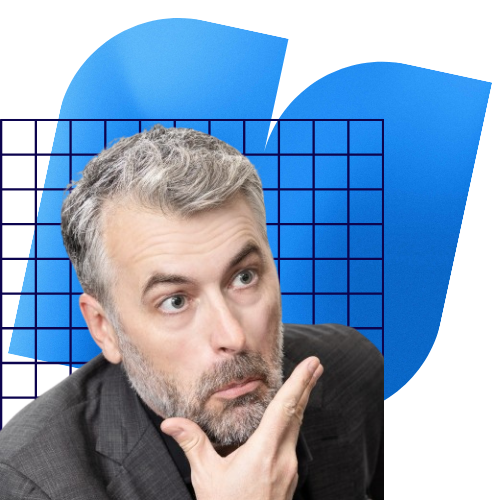
J.D. Bruce
President of Abacus Wealth Partners
What does it really take to move from a founder-centric firm to a professionally managed business?
This week on Behind the Advisor (formerly XYPN Radio), J.D. Bruce, President of Abacus Wealth Partners, shares what it takes to grow a firm from a solo practice into a scaled organization with professional management, a board of directors, and a formal governance structure.
A CPA with management experience across multiple industries, J.D. was brought into Abacus to help merge two solo firms into the thriving, growth-oriented business it is today. In this episode, he unpacks when it actually makes sense to hire professional management, and the key barometers advisors can use to know they’re ready.
The conversation goes beyond hiring to address one of the hardest parts of scaling: fully transferring decision-making authority. J.D. explains why true growth requires creating a culture where leaders with the right skill sets are empowered to operate autonomously, and how Abacus successfully made that shift.
If you’re building beyond yourself and wondering how to evolve your firm into a durable, professionally managed business, this episode offers a candid, real-world look at what that transition can (and should) look like.
.png?width=672&height=168&name=XYPN%20Radio%20Blog%20signature%20(1).png)
Listen to the Full Interview:
Watch the Full Interview:
What You'll Learn from This Episode:
- A barometer for when advisors should consider bringing on professional management
- How founders can implement a succession plan for outside management
- The difference between a marketing manager and a COO
- The Abacus culture that lends itself to taking risks and pivoting quickly
- The first type of professional manager that J.D. suggests firms hire
- When an operating agreement becomes necessary when running a business
- What a director of operations does for an advisory firm
- How a large firm handles the process for recruiting and hiring additional resources
Featured on the Show:
- J.D. Bruce | LinkedIn | Website
- Abacus Wealth Partners | LinkedIn | Website
- Register for XYPN LIVE
- XYPN Radio VIP Community
- The Monthly Retainer Model by Alan Moore and Michael Kitces
- Ep #32: Monthly Retainers in a $1.5 Billion AUM Firm
This Episode Is Sponsored By:

Read the Transcript Below:
00:00:01
welcome to xypn radio where your host Alan Moore brings you into a community of Fe only financial planners who want to profitably and successfully serve Gen X and geny clients if you're ready to get the knowledge you need from leaders in your field learn from Forward Thinking advisors and take action on your own goals xypn radio is the show for you here's your host hello and welcome to this episode of xypn radio I'm your host Alan Moore and today I'm excited to welcome JD Bruce president of
00:00:29
Abacus Wealth Partners back on the show we had JD on the show last year so you can hear him talk about his career path and how Abacus is using a monthly retainer service model inside of a $ 1.5 billion firm at XY planning network.com 32 I wanted to bring JD back on the show today to talk about life at a quote unquote big firm advocus has gone through the transition of being solo advisers that then merged into being a larger firm eventually growing into hiring professional management and now one that has a full governance structure
00:00:59
that support reports Abacus being a real business instead of just a Founder Centric business model in this interview we talked about how it made sense and when it made sense for Abus to hire professional management what a director of operations does and when you should hire them and how you can learn more about being a COO or director of operations in an advisory firm we ended by talking about abacus's hiring process since JD still does all the hiring and they hire a bunch of folks so if you're
00:01:26
approaching the need to hire soon you'll want to listen to his process and how he finds folks that are the right fit for Abacus you can find any of the additional resources that we mentioned during the episode at XY planning network.com A2 in addition to the typical resources you'll find a link to our recently launched book co-authored by kitus and myself titled the monthly retainer model what it is why it works and how to implement it in your firm this month's podcasts are brought to you by one of
00:01:51
our favorite sponsors and reigning swag champion of the 2016 xypn conference robust wealth robust wealth is the unique Robo enhanced complete wealth management platform that provides advisers with all the tools they need to run grow and succeed including a complete technology stack and portfolio management and rebalancing as a sub-advisor utilize robust wealth and their Partners institutional investment models or customize your own sign up for demo mode and test out their free technology stack at www. robust
00:02:21
wealth.com robustwealth the complete wealth management platform climb on also be sure to go to XY planning network.com IP to join our private group just for xyp and radio listeners you can interact with other listeners ask usest questions and more hey JD welcome back to the show man thanks so much for being on thanks I'll be back anytime you want to let me talk for an hour it's like my birthday you were on right around a year ago CU this is uh we're getting up into the 80s on the episode so you were back on in
00:02:52
episode 32 for so for anyone who wants to go back and hear JD's sort of career story and that sort of thing XY planning network.com sl32 and you can get more of the details I literally randomly scheduled time on JD's calendar two days ago and didn't tell him what it was about until pretty much five minutes ago so JD's being a good sport and coming on and going to just answer random questions that he's completely unprepared to answer which is fun for me I'm glad it's hopefully fun for you as
00:03:20
well so in our last episode kitus and I really dove into sort of our Concepts around hiring the first employee because I know that we have a lot of listeners out there that are Solo entrepreneurs they're getting to that point where they're they've just got too much on their plate in many ways they wait too long to hire now Abacus is obviously in a different situation which is what I wanted to focus on today which is sort of what life looks like inside of a big firm because I think we have a lot of
00:03:49
folks out there that say like oh yeah I want to have a billion under management you I want to grow this thing but life is very different when you look at you know either being a solo or just having a few employees versus you know actually growing it to be a business you know listeners if you listen to the last episode you heard me talk a little heard sort of Kit and I talk about how we Define practice vers business and practice being sort of an owner operator where the lead advisor is or the owner is also a lead adviser
00:04:19
versus a bigger business where ultimately it's being run by someone who's not a planner so you know in our last episode JD you mentioned you sort of told your story so maybe we can recap the fact that you are not a career adviser you got found at a at a parent play group didn't you is that how they found you absolutely I'd hang out with one of our co-founders Brent sitting around the pool talking about business and eventually he said hey why don't we do this every day except every other
00:04:44
Sunday and so I said sure let's do it so what was your so just a quick recap what was your background before Abacus found you sure I'm a CPA started at price waterhous I went kind of the controller CFO route and I think one of the reasons that Abus hired me is I was the CFO for one of their clients and uh when he sold his business he told Brent hey I'd feel much better about Abacus as a company if JD was working there and they needed a chief operating officer for a our kind of small account firm kind of the pre
00:05:24
Robo adviser Robo adviser and so I came on to run that and at the time I was doing running a a technology and accounting project management group at Countrywide bank so my background is in technology operations I worked in an advertising agency for several years and kind of went into that really jack of all trades route so I knew accounting marketing operations and they said well perfect let's do that which and generally I I find Executives inside of large companies do have a varied background
00:05:55
because you need it to to really be able to understand all the various components especially once you make the leap into being top of the company and actually running the company instead of you know managing individual projects but one of the things for listeners to know is Abacus moves and pivots about as quickly as anyone in the industry so you're going to hear some notes randomly about like this pre-o Robo go back to episode 32 we talked it more in depth there about what JD's talking about because
00:06:23
y'all pivot fail fast move forward like very which is why it's a lot of fun to see cuz we don't see a lot of firms with you know over a billion in management that are willing to to take some risk and do new things okay so they so they found you and brought you in what was the I guess where was Abacus at in terms of employee client asset count like kind of what was the size firm when they brought you in yeah I can't remember assets I think in terms of Revenue so we were around when I came on the two firms
00:06:54
together not the one I was running but the two firms together were about 5 million in Revenue and now we're this next year will probably be for 2017 around 14 million in Revenue so kind of a third or current size is maybe you know between a half and a third and the team I was running was very small it was just a couple people and I think we're were about 300,000 in Revenue so it was kind of I have both the experience running a small firm and a big firm at the same time underneath the Abacus umbrella so
00:07:25
and I I prefer to talk in terms of gross revenue as well but the industry standard would say that's around 500 million assets owner management so yeah somewhere around there somewhere in that range or or equivalent so to talk in terms of size so how many do you remember how many advisers and employees you had at the firm at that point advisors in the Consolidated firm was probably like seven or so seven or eight total people was probably you know 15 maybe okay you know if I count all the assistants to the assistants sure start
00:07:59
getting all the the middle managers and and such so what was I guess the Tipping Point for the two Founders at the time which Spencer and brand like what I guess what caused them to finally say like okay it's now time to bring in someone to run this thing I guess why then and then two why didn't one of them assume that role as one of the founding Partners you know that's it's an interesting question they merged just a few years prior to that so they merged in 2003 together and they were both sold
00:08:29
owners of their respective companies and then they merged together and became 50-50 Partners in 2003 and they brought me on in 2007 after about a they actually brought two Chief Operating officers on at the same time one to run the big firm one to run the small firm say is this Hunger Games like let's see which one can get rid of the other one as it turns out but at that point you know the two firms were separate in distinct firms they were separate separately branded they wanted you know one to kind of to run the big firm and
00:08:57
keep the trains moving on time and not Shake anything up and they wanted me to come into the small firm and go crazy and do weird stuff so they were looking for very different personality types okay that makes sense and ultimately we decided to merge those two firms together which kind of caused the you know me ultimately taking over and at the time you know they had each they decided to merge together because they wanted the ability to have both a peer but also to be able to take things like sabatical for you know 3 months and be
00:09:24
able to know that you know at the end of the day someone was going to be there after they each took a sabatical for about six month I think 3 to six months each and they each wrote books during that sabatical they came back and we're really looking at it saying look we have a choice here we can stay where we are and make the money we're making and that's fun or we can you know make this thing an independent company that will run forever and they decided to do the latter and they realized that they just
00:09:50
didn't have the broad skill set both of them started as doing what they were doing and didn't go through that kind of business education I mean spencerz his NBA but none of them had had the Practical experience of running a bigger company and so they wanted someone who' who'd been there how many advisers do you know that have ever taken three to six months off to just sort of clear their mind I mean I probably count on one hand with two of them being your the founding Partners like it that's such an
00:10:18
awesome I don't know the right term just a willingness to do it because it probably is what ultimately set Abacus up for Success was giving themselves sort of the brain space to figure out what they actually wanted the company to become instead of sort of letting it drive them yeah I don't know anybody I'm sure there are some but uh they all come work for me because uh they know where they they know where they can uh be able to do that kind of fun stuff I'd have to reread the employee handbook don't you
00:10:46
offer sabatical to all employees right now just to our partners it's something we may offer to employees in the future hopefully none of them are listening to this but right now it's just for our partners and really they can take as much time as they need to only part of it would be paid so we pay 6 weeks full paid six weeks half paid and then they can take as much unpaid sabatical time as they want to how often can they do that it resets every five years okay so every five years they get basically
00:11:14
three months paid three months unpaid I'm sorry a month and a half paid a month and a half half paid and then beyond that is is UN they want yep do you see the partners beyond the Britton Spencer doing it and to have others actually taken advantage of that one has so far that's it okay I was curious if it's sort of one of those like when you give unlimited vacation days the number of vacation days use T to go down yeah I've heard that and we do offer unlimited vacation days and I haven't
00:11:41
noticed that people are taking plenty of vacation at least you know on average I think there are definitely people who don't take as much vacation time myself included but um we definitely have those people that we have to because we also offer that at XY Planning Network and and they're definitely the people that we have to say like hey it's Sunday it'll computer like no more working today and they're like but come on I've got stuff to do it's like nope that's just a personality trait but okay so
00:12:07
just to recap about 500 million half a billion in assets under management you're somewhere in that 15 employee range is that a Tipping Point you see sort of industrywide that you know as advisers are are sort of building a business that's approaching this 10 to 15 total employee headcount of when Professional Management makes sense or did they wait too long in should have brought in management sooner honestly for Brent and Spencer I don't think they waited too long for most people I think
00:12:36
it would have been too long both Brent and Spencer are very capable managers they built great businesses they're very each of them could from a skill set standpoint run this place they just don't want to but it meant that both brand and Spencer were spending far less time selling than they could have and should have and so it probably you know held growth back a little bit at that time because they were doing the hiring and firing and you know all that stuff and they could have been spending all
00:13:04
their time doing the stuff they actually like doing usually when I talk to people who are who are running firms I tell them they should start thinking about getting a kind of director of operations level person when they get to about a million and a half of Revenue they should start thinking about it if they don't have someone in place who is kind of on a COO Track by 3 million of Revenue then it's probably really late yeah probably way too late I mean the important thing to remember is and this
00:13:33
was true for me and I think it's true for anyone who comes from outside of a firm it's going to take five years for that person to really hit their stride and so if you bring someone in five years for sure I think if you try and do it faster than that the handoff is too hard you need a successor in place a long time before you're ready to to step away and I think if you try and rush it what you have is the experence experience of the founder trying to pass off power but not actually passing off
00:14:06
power because the trust just isn't there yet it takes a long time to build the trust of you know take my baby and I'm going to let you make the call otherwise what ends up happening is the COO is saying okay this is what we're going to do and then the founder is like eh I mean let's talk about that right and that can happen only a couple times there're SE title and not in function and everyone knows like the whole staff knows where the power lies and it takes a long time for people to stop going to
00:14:36
the founder when the COO says this is how we're doing it then they go to the founder and say are we really doing it this way and is JD just off his rocker like right that doesn't sound right and it's up to the founders to release that power but it's also up to the manager to come in and actually be able to take control the founder can release has to release control and has to be willing to do that but I talked to a lot of Coos and they're like I just don't have the kind of authority that you do I'm like
00:15:02
well take it like you know what you know they're not going to trust you unless they know that you got it right you don't let your 16-year-old drive until you know they're good right like they have to be safe and they're not going to just say okay cool hands are off run it into the ground they're going to keep their hands on unless they have total and 100% trust so you make a couple really good points there in sort of how we're defining you throughout the term professional management you're saying
00:15:29
sort of the COO and now you have the president title which I want to talk about the delineations there but yeah really when you hire someone and you say look my skill set is in selling and bringing in new business because that's my gift or I just really want to be a financial planner which I think a lot of company Founders out there especially in the planning space they just want to do planning yep so they really want to do planning and that's why they got into the business of doing planning and
00:15:56
sometimes they became successful not by accident but it wasn't the intention to grow a big business it's just like all of a sudden the business is coming in and you have to hire and then all of a sudden you wake up one day and you realize you have a million and a half or two million in revenue and you're not all that profitable because you're spending tons of money on on head count and you're not no one's really running the business and when you hire someone like a COO or a president or or really
00:16:21
any executive level you know even if it's a CMO because you need a chief marketing officer the difference between you know sort of this in title only versus truly having a CMO or a CO is do they have decision-making Authority right and I think we undersell that piece of it in the sense that like oh I have a CMO so they'll be my marketing person but if that marketing person says you know and the if the founder comes along and says well I'm going to run this ad or I'm going to go speak at this
00:16:49
you know local conference and the CMO says no that's not a good call do you listen to them or not right because if you listen to them they're a CMO if you don't listen to them then they're your Marketing Manager exactly exactly and that's a really good point and same goes with operator of like if you say hey I think we need to hire this person then coo says no if you listen to them they're coo if they're not they're your operations manager probably so yeah you know you're a real leader when in The
00:17:15
Firm when your Founders come to you for permission honestly like that's that's when you know you've hit it like that's the point where your Founders come and say hey can we do this and you say nope and they go okay cool and you're done or they might want to talk about it you know but they talk about it behind closed doors like parents of children do like okay let's let's decide what the answer is here amongst ourselves before we bring it to the staff so if there are advisers out there that you know maybe
00:17:42
they're hiring their first couple of you know Associated advisors they're slowly growing their firm do they need a plan in place you know let's say they've got 300,000 in revenue and and we're saying when you hit a million or 1.5 million that's when we start having these conversations is there something they need to be doing between those two points or is it really just put your head down go get the clients grow the business and we'll deal with it later or is there some sort of foundation to be
00:18:05
laying throughout that sort of time period that's a really great question and I think it so much of that depends on who what your team looks like I'm not a big strategic planner right I don't have this like detailed 10-year plan that I know what advocus is going to look like in 10 years it's one of the reasons why I think we pivot so well is because what's true of Brent Spencer me not certainly not all of our partners but the three of us is that we're very comfortable with uncertainty and we're
00:18:36
very comfortable with risk and we're very comfortable with making decisions in the moment as opposed to having to do lots and lots of research to figure out what the next step is so what works for us isn't necessarily going to work for everyone because if you're the kind of person who really thrives on having that detailed plan and you have trouble making decisions without having done you know 30 hour hours of research you can't do that right you can't fly by the seat of your pants like I do because that's
00:19:05
just who I am right yep I can come and do this podcast with five minutes notice because I'm good like I'm I'm comfy but not everyone can do that without preparation it's funny that you say that because on the last episode with kitus we were talking about the fact that he's if you ever use the Colby personality test he's a super high fact find super low quick start I'm a super high quick start obviously but I'm like mid-tier effect find and I joke that like if I was low FactFinder and he's high
00:19:31
FactFinder we'd kill each other trying to make decisions because we're in a little bit different situation because we're co-owners and therefore as of now sort of co-decision makers and so got to have consensus yep you got to have consensus which you know and who knows how things shake out as as the company grows but you sort of were the next layer it sounds like from Brent and Spencer were the co- consensus everything's got to be in agreement to now they've brought in somebody to
00:19:56
basically have a single decision maker with input from the board is is that accurate yeah I mean I think you know there's a few steps like as you go through and and think about building your practice into a firm right and you know the way I Define a firm is when the founders leave you don't replace them right then you know you're at a real firm right because they're just not you know you'll replace a lot of people in your company if they leave but you probably don't replace your Founders
00:20:24
because they're irreplaceable right there's not you can't hire it um they bring to the table and so you just kind of move on without them and you know their clients if they have any clients they transfer but frequently they don't they're just doing sales but that depends on who your Founders are that's a good point but you may have a Founder that's more that's doing client facing work but so at this point the founders they're not really they don't have a lot
00:20:46
of client relationships are they mainly on the sales side at this point they don't have any client relationships on their own they have a lot of client relationships they just have there's another planner assigned all of those relationships you know is the diamond team model and they're both relationship managers and spend a lot of time on management as well so but that's unique to us not every firm's going to be like that right so just as a reminder the the Diamond team sort of come from Angie
00:21:10
Herber and it's a it's literally a diamond with four people the top at the top of the diamond being a relationship manager the two sides of the diamond being lead planners and then the at the bottom of the diamond is sort of an Associated advisor and pretty much all clients get that four person team right they may not interact with every single person on the team but every client is assigned to a four-person Diamond team correct all of our advisers are assigned to a diamond team the goal of which is
00:21:36
to have them be that kind of standard four person and in practice you know it's anywhere from three to five six it's a little Messier it's always easier to draw it on a board than actually get all the right people in the right place because you need to grow and create new teams and you buy new firms with more advisers or less advisers and that sort of thing so yeah and geography sometimes gets in the way of having a perfect four person thing which always makes makes me crazy because I really like everything
00:22:00
to have that perfect F we all have our quirks so those steps to get there you know I kind of jotted some of these down you know the first one is always going to be your first hire whoever that is once you're dealing with payroll and having to fire people that's you know that's a big operational step your first partner is probably a big one whether that comes from merging or having someone Buy in those are two very different things and I have big thoughts about the different that's an hourlong
00:22:26
conversation in and of itself your first professional manager is probably a big one I count mid-level Management in there so they don't have to be like an executive but your first kind of and the first one I think anyone should hire as a director of operations there are the occasional firms that's not true where the founder is a really good operational thinker and really likes the operations but that's that's 1% you know and then after that it's like your first real governance and I brought that up because
00:22:54
it relates to what you just asked me about the board where you know we had gone through all of those right you know they had had their first hire long ago they had their first partner back when they merged and Spencer actually had a a junior partner at that point too they hired me and and the other coo as professional managers they went through that and then we acquired another firm with two partners and now suddenly we were going from four Partners to six and they were much bigger in terms of the
00:23:22
size that they would be as compared to the other non brenon Spencer partners and so we needed to build govern at that point and so we essentially created a constitutional convention and all got together and rewrote our operating agreement from scratch and that's a giant step and it's it's the one you need if you want to be a firm you can't have that kind of simple Buy sell if you want to be a real firm you have to Define how the founders won't be the decision makers in advance of them doing
00:23:56
that and you need minority shareholder protections you need agreements on how everybody breaks up because someone's going to leave at some point and it's beyond just the how do we pay that person out but how does it work how do we kick people off the island and for what and why and what's the price under various circumstances who makes what decisions what decisions are held to the shareholders if you're going to have an intermediate layer between the shareholders and your management you
00:24:25
know is that a board of directors how many people how often do they meet how do they get elected and then what decisions then get delegated to management and if you have multiple members of management what decisions get sent to which members of management that stuff is takes a lot of consensus building and and thought and you have to do it it's really really critical and it's going to be unique for every firm and it defines your culture so for us we have a select list of things that are
00:24:57
decided on by the shareholders by kind of shareholder proportional vote right so you own 30% you get 30% of the vote that includes electing the board although we do that using the cumulative voting method which protects minority shareholders and then the board we have a list of things that is assigned to the board and essentially the board is like the man are the managing members of our LLC and the board of directors or the board of managers or whatever the legal term is they come in and they have their
00:25:28
list of things that only the board can do and then the board then decides what to delegate to to management and we have a five person board that's reelected every two years and it's a four out of five vote which isn't proportional to ownership so at that point some votes are proportional and you know 30% shareholder gets 30% of the vote and then others are you are a shareholder so therefore you get a vote yeah so the shareholder stuff it's like you know things like admitting new partners
00:25:56
taking out big loans you know anything that involves someone's ownership equity and electing the board the board approves the budget and all kind of the typical Big Board level stuff and that's again four out of five votes so to for the board to decide anything four people have to agree and it's one person one vote nonproportional so Spencer's vote doesn't count any more than someone who owns 1% of the company or someone who's not even a partner you don't have to be a partner to be on the
00:26:26
board oh okay so you don't have to be a shareholder or SL partner to be a board member so just sort of everybody in the company does that ever happen where you would have do you have board members that are not shareholders not yet but I expect it we will at some point we've talked about having someone from outside the company be on the board I doubt we would have someone inside the company who's not a partner be on the board it could happen I suppose you know it would happen where you know someone we wanted
00:26:55
to make them a partner but for whatever reason it wasn't going to work just economically but we would want a partner level person I don't actually foresee a time where we have a non-p partner employee on the board might happen but I doubt it like we like that commitment we have so many partners we're at 13 now out of almost 50 people that you know we have a pretty good selection of people enough to choose from at least five people want to be on it yeah but I wouldn't be surprised if we had an
00:27:20
outside member of the board at some point to give us that to give us that outside view that makes sense so it's funny because I remember when I first started my raia and I had to go open a bank account they asked for your operating agreement which we've been talking about here sort of that that LLC operating agreement I was like well I don't have one and so basically I just gave them a piece of paper that had my logo at the top and it said operating agreement and that was it it had nothing
00:27:44
else on it because I was a solo I didn't need to make any of these decisions I I make all the decisions because I'm by myself I do stuff yeah right like I do everything what do I need to put that on paper and for the solo LLC owners out there this is not legal advice you can ask an attorney I don't think you need an operating agreement to run a solo LLC but the moment you bring on any type of shareholder partner anything you better outline everything because it just like you're saying that ultimately you need
00:28:12
to decide how you're going to make decisions before they come up yep instead of telling you know instead of Crossing that bridge when you get there so are decisions 50/50 are they proportional and like I said are you merging or if you're bringing on a partner because they're buying in all of those things will contribute to how you want it's basically a decision-making Matrix and it's just what decisions can be made who can make them when can they make them and you will thank us for
00:28:38
having done that had those conversations when things were calm and you could think rationally about them because if you don't do it when you're calm you will do it when you're ticked off because you want to do something and the other person doesn't want you to and you can't figure out how to make the decision so yeah I've seen that more than once then you update the operating agreement and what does your operating agreement say um do you have those I don't know yeah that's that's a tough one so can you
00:29:05
talk us through a little bit about just at advocus the process to becoming a partner because it sounds like y'all do it a couple different ways because you you're certainly in acquisition mode so sometimes you'll bring folks in with Revenue which I'm assuming is a path of partnership but then maybe folks can buy in so how does one become a partner of Abacus sure and both those ways are how it's happened in the past we probably have five Partners who have their ownership shares because they brought
00:29:34
enough revenue and more importantly they brought enough profits to Abacus that they kind of use those discounted value of those profits as an asset that they contributed into the company which got them an ownership share and that's been great and those people deals typically take between two and 3 years to kind of sort out if it's going to be a partnership deal we've done it faster than that but you know I don't think we ever will again we always miss stuff if it goes faster and then have to deal
00:30:04
with it in the year after it's like people who get married in Vegas then all of a sudden they have to get to know period after that you know right and you know I don't think we we want to do that again so it's you know it's a it's a two-year process at minimum to really get to know each other it's not the logistics the logistics are pretty easy it's it's making sure that everyone's going to love each other okay that makes sense and then to buy in we have a whole
00:30:27
partner track the same way a law firm or an accounting firm might might have that and we've had five people buy in as new partners and a couple of our existing Partners bought more through the same process and we'll go through and we try and identify those people a couple years before they would be buying in and we assigned them a mentor who's already a partner to kind of talk them through all the things they need to do to you know meet our Partnerships standards and some of those are around you know the
00:31:01
economic stuff you know you need to sell this much or manage this much and those are very unique to the individuals it's not a set criteria but we want to see that they're you know going to be successful people who can pull their own weight and also the cultural stuff you know we need to you know hey you're a little off-kilter here and we want you to work on that and maybe find a therapist or whatever and these are the kinds of this is the kind of maturity level and this kind of behavior that we
00:31:27
want to see from our Partners as well and the way you interact with the world and and represent us and then you know when we're ready we'll usually let them know in June of a given year that they'll buy in in December and then we have an arrangement with a bank to provide financing and then we'll provide some seller financing as well and they're expected to come up with with a good amount of cash usually at least 10% if not more now I have to dust off my cfp books but do they have to be an
00:31:54
accredited investor to be able to buy shares of the LLC no okay maybe that's only an es Corp that trying to think and I I was having a conversation with a large firm a few weeks ago and they said that was one of their holdups was that you had to be an accredited investor which is always a problem when you're trying to bring on associate advisors but they may not have been an LLC so well I I think there's also the issue of uh if you're materially involved with running the company then those rules don't really
00:32:21
apply I you only need to be an accredited in I'm not a lawyer either so but I think you're fine as long as you're involved and you're not uh just an investor only gotcha somebody will email me the answer to that and I'll have to send it out so forward it on so otherwise we're in big trouble if the answer is you have to be accredited don't tell anyone ex Del it immediately so folks can become partner do you find that people want to become a minority partner like that they're
00:32:54
excited to own one or three or five or even 10% of a big company I think they are here because we did our governance right and a lot of our governance is about protecting minority shareholders and making sure that all the power wasn't just going to be our Founders doing whatever they want and that was real for us and we have real governance and we have real protections and our minority shareholders do get aay in the decision- making and Brenton Spencer can't just do whatever they want because
00:33:28
almost all of our decisions need a 75% vote and they don't own 75% we actually set that threshold when we set up the governance because it was going to be just above what they would own after we did that merger so we just wanted to hobble them a little bit which gives everyone Comfort at the end of the day you can't have one or two people just being able to by Fiat do anything they want no one wants to buy into that right because you know it's just you know an economic Arrangement and it essentially
00:33:55
becomes compensation and that's not what we have and anyone who's going to set that up I advise you know you got to have at least one non-founder involved in being able to make those big decisions and if you don't enforce that then you'll uh you'll be in trouble and no one will I think that's a really good point because I remember one of my first bosses sat me down in our meeting we were talking about something and I said that I wanted to be an owner and and he challenged that he said why do you want
00:34:24
to be an owner so why w't be able to make decisions he said well give you decision- making Authority without ownership why else do you want to be an owner like well I want to make money like well I'll pay you more why else and it was kind of funny to go and it's helpful for me to kind of go down that trail because it sort of created this delineation that you just mentioned that ownership can either be money it can be control or it can be both and it sort of shares in the company and ownership can
00:34:50
be that and that's really what we're talking about that so many times and maybe this is where I'm sort of coming from on this like I don't want to own Super % of a big company I get no power and yet you know if I own 2% of Abacus like the majority of my net worth is now Abacus stock and it's my biggest liability as well like my balance sheet looks upside down because of my share ownership in advocus and yet I have no actual decision-making Authority I'm just hoping that the the founders want
00:35:17
to grow the thing to the point that it was a good buy yeah and a lot of times Founders aren't interested in growing companies and so that there's always this sort of conflict that exists so it sounds like sort of crossed a lot of those bridges already which to to establish that culture and in that Foundation yeah and we explored you know I talked to a lot of people and they say oh we just solved that with Phantom stock or we had a big issue we were our initial plan was to do non- voting shares for everyone but Brit
00:35:44
Spencer and it blew up an acquisition deal suggesting that just you know blew the whole deal up and it just doesn't it's not the same non- voting shares and Phantom stock it's not ownership and I will tell you what happens to owners the first year they at advocus as owners they tend to double their sales overnight and it's not because they're Partners to the outside world although there might be a little of that but it's because they have a different relationship with the company and it's
00:36:16
theirs now and doesn't matter what percentage they own because it's theirs and it's theirs for real and it's theirs in the same way that it's Brent Spencer and mine and anyone else who's a partner it's theirs and you treat your own stuff differently than you do other people's stuff period yeah that's very true like a rental car right totally Always by the insurance no I I think that's a really great point and again it sort of goes into having these conversations
00:36:44
beforehand and starting to think through some of that because it's so built around the culture the fact that y'all have founding partners that actually want to grow the business they're not just looking to turn their business into an annuity which you know a lot of owner advis ERS are so circling back around just a little bit I want to go back to the topic that that you mentioned about hiring a director of operations one of the very very frustrating things for me is is I talk to a lot of students in
00:37:09
financial planning programs and I'll hear them say I'm just not sure I want to be an adviser so I guess this isn't a good career for me and it drives me bonkers because the truth is in a large firm maybe over half but like over half of the PE the headcount at a firm are actual advisers but there's so many other roles at in order to actually run a business and operations being a core piece of it so can you define what a director of operations does and is that different in your mind than a COO or
00:37:40
those interchangeable titles under sort of the way y'all use them no I would say they're very different and I I'll Define three jobs for you that I'll give you director of operations I'll give you coo and I'll give you president and how I would Define them as three separate things that founder might want over time a director of operations will manage your all of the non- advisors in your company so all of the non- advisors will report to them and they will set budgets for their team they will make sure
00:38:16
everything runs on time but they will check in on all the big decisions so they don't have decisionmaking authority they have execution Authority right right so we'll decide on a plan together with the director of operations and then the director of operations will go implement it and not really deviate from the plan without checking in so for listeners that know I'm I'm totally fanboying over the book scaling up recently just because I'm I'm rereading it I love this book they call that
00:38:45
accountability versus Authority yep so that you're given the accountability to run things but that doesn't necessarily mean you're given the decisionmaking authority on all things you know that those are two separate pieces of Authority versus accountability yep and then a COO is essentially the same thing but with decision-making Authority where they can deviate from the plan up to whatever your governance allows so for example if my operational budget was a million dollars to how to pay all the
00:39:15
people and do all the stuff then they have a million bucks to spend and I don't really care how they spend it I mean I want to talk through it and have our management meetings and you know collaborate but they are the ones coming up with the ideas for your operational group they're the ones implementing and they're the ones you know they ask for approval from whatever governance structure you've set up you know whether that's budget amount or branding issues or whatever those things are that you
00:39:38
withhold from their decision-making Authority but within their domain they have the final say and a director of operations should be promoting the COO at some point right that's their path that's their path and if that's not their path then you have the wrong director of operations or you might just have a a situation where you already have a COO and then they want a direct a more long-term director of operations who's going to be there and have you know may not have the ambition to be Co
00:40:06
over time sort of that we call it our director of keeping it all together but it's the keep the wheels on the bus person totally and what defines it is everyone reports to that person except the advisers okay right so that is so even up to the COO level they're still running the company but they are not so when you say the advisers don't report are they is the COO hiring advisers or they're truly they're not touching anything on the advisor side they they might help but they don't have the
00:40:34
decision they they're not hiring the associates they're not hiring the advisors they're not setting up the advisory team structure they're not you know they'll help with compensation they'll help with the HR stuff but there's someone else who's mentoring and overseeing and making sure the advisers are are doing their job okay that makes sense right so then so that's sort of coo even and then you move towards that sort of President level yep all the president's just a COO who oversees
00:41:01
advisers okay so you probably don't have a president and a COO at the same time or is there a size at which you well I guess you're if we're delineating that now you have authority over operations and you have authority over advisers having two people with authority over operations does not work ultimately well I mean you you could have a COO that reports to a president but typically if you have a president type the president is reporting to someone else who's the CEO so more often you'll
00:41:31
have a CEO and a CO and what you might have at that point in the biggest firms is you'll have a CEO and then you have a chief operating officer and then you have kind of a whatever you call them but a head of your wealth management team and a head of your legal team and you'll have more people than just a COO but for firms that anyone listening to this is you know they're not you're not going to have a president and a CEO typically in any firm less than you know 30 40 million in Revenue say 50
00:42:03
employees or or something like that well that's where we are now and even then like you know Brent is our CEO right and he's kind of here to be the Strategic thinker and he and I have kind of our set list of okay this is stuff that I do without checking in this is stuff we do together and this is stuff you do so we've kind of worked that out but if Brent doesn't want to be CEO anymore then I would just be CEO and we're not going to replace me as President right I'd just be a more
00:42:29
active CEO than than he would right so what I guess for folks that are saying like I love the thought of operations and management you know I love planning I love the the industry of planning and what we do but I don't actually want to be the financial planner are there training programs or certifications or conferences where y'all get together and nerd out about running businesses like where do you go to learn for operations people there are some there's no certification yet although I'm pushing
00:43:00
people to there's a few people I'm pushing really hard to create one because I think it could be really really helpful and especially in this industry that so strongly believes in certifications you know in in most Industries it doesn't matter right you just hire good people here like if you need to have like some letters after your name in order to be taken seriously in this industry I blame kites because you know he's got all of them set the bar exactly are you or I'm trying to think like PM
00:43:31
certifications or anything like like are those things helpful you know those kind of things if you're weak in that area then it's great you know like should someone go get their you know PMP that's the project management professional certification maybe like if they really want to and they want to learn more about project management almost all that stuff including an MBA is really focused on like working at you know Johnson and Johnson you know where you have thousands and thousands of people it's
00:43:59
just not relevant to a firm this size you're going to do all your learning on the ground study groups for me have been hugely helpful both advisory study groups with other advisory firms and the owners of those firms but I'm also a member of a COO Forum sponsored by dimensional and it's a bunch of kind of coo and president level people who get together and just work with each other as peers so if you're a director of operations out there you know it's essentially like your Mastermind groups
00:44:28
for advisers call up a bunch of firms that are more or less your size or you know bigger or smaller by you know an order some order of magnitude right like you know your size plus 10 times bigger you know and then but but not bigger than that right so like if you're a three person company is not going to get a whole lot from me in the short term I mean it's helpful because I'm you know I know lots of stuff I can help people out but they're not going to you know we're not going to relate in terms of the
00:44:57
company size so maybe two to three five times your size maybe get those kind you don't want everyone the same because then you all can't you there's no one who can tell you how to grow but it's hard being the biggest person in the group so you're like okay who's telling me what to do yeah I could I can see being the biggest in the group that smaller advisory firms tend to help you pivot faster would be my guess like if I was saying what would be the benefit of being the largest one in the group it
00:45:21
would be for most firms seeing blind spots in there just sort of getting into a rut cuz smaller firms we don't understand that right like we don't understand this is the way we've always done it like well we've been around two and a half years how we've always done it we'll just do it the new way like well why you know anyway it's always a funny conversation with established owners but so that's good to know that there's at least I mean study groups obviously were a huge fan of on this on
00:45:45
this podcast and inside of xypn in general and so you said dimensional so that would be DFA the fund company y that's awesome because that means y'all are all sort of of the similar mindset that from an investing standpoint sort of the way the world works I could see it being difficult to be in with Coos of actively managed hedge funds or something yeah that yeah that definitely helps and we're all fairly big firms in that group but honestly if you go to your custodian and say hey I need you
00:46:13
know five other cosos or director of operations that we can all get together and talk about stuff it's not that hard Orion's great for that a lot of the software and custodial kind of Advisory Board groups like you know Ryan has their Advisory Board I'm sure the other you know Tech folks do if you just go to those or go to like Tech conferences the T3 conference is great for this you end up talking to people who are in that role right if you're interested in Tech go to a Tech conference if you're
00:46:42
interested in operations go to an operations conference or go to a Compliance Conference even if you don't want to learn about compliance if you go to a Compliance Conference you're going to meet a lot of directors of operation because that's who goes to compliance conferences you know what I mean because they would to know what they don't know yeah because the founders is like uh you go like I don't want to go um I don't go to that stuff anymore I'm like you go and and so you end up meeting the people
00:47:03
who are you know getting sent to that same kind of stuff and then you can set up study groups from there you know it's funny we had president on the show it's been a couple months ago now and he said president means uh you do whatever the CEO doesn't want to do that's pretty much the definition and I told him you got to learn how to delegate better because it sounds like that's what you're doing it's just delegating whatever the CEO didn't want to do and what you don't want to do right you know
00:47:28
that's that's kind of the way it is I mean every every president's going to operate differently because you have to play to your strengths you know I try and do the legal and compliance stuff as little as possible because I suck at it right you know I operate by using the force like this is not the way to review a legal agreement you know um I feel the same way I'm like kit say we can just sign this and he's like did you read it like do do I need to I trust the guy it's fine should be fine thankfully he
00:47:55
reads contracts very detailed and finds a lot of really funny things that would have screwed us had we actually signed the agreement no doubt I mean I have a CPA it's not like I'm not a detail guy I just I just don't like it yeah exactly so switching gear sort of a final time because there's one more topic I guess that I want to focus on because advisers are are always asking me how do I make those first couple of hires how do I find Talent how do I evaluate talent and you hire a lot of people because as you
00:48:25
grow you know that hiring speed ramps up what used to be one new employee a year turned into probably one a month is is getting closer to your pace at this point so can you talk us through sort of your process for seeing a need inside the firm and how you decide when to hire is it metrics based or is it just sort of feel for when you feel like you need help and then sort of the process you go through to find and recruit Talent that's going to be a good fit for Abacus sure so I feel like we've turned a
00:48:54
corner in our decision making around hiring particularly around advisers it becomes very easy we made the decision not to hire we we'll merge people in but we don't hire experienced advisers so I I would never put out a job ad for a lead adviser everyone everyone who's a lead adviser here starts as an associate unless they're merging like if they're merging I I kind of have spent two years getting to know them and I know that they can run a business and start a business and they got it to some
00:49:22
$100,000 of Revenue I have a little bit of different Comfort than someone just walking into a job interview blind right two hours is not the same as two years right so those people we kind of do all that getting to know you before but I don't I don't hire lead advisers there are firms that I know are really successful at doing that we're terrible at it and I don't know why and I don't care because I just said if we're terrible at it let's just not do it but we are really good at hiring people and
00:49:48
then training them to be advisers in a two-ear period we've proven success at that at this point and so now what we do is we hire an associate for every one of our Diamond teams and when that person promotes we replace them so when we hire Associates is when we promote an associate or if we create a new team for whatever reason and you know we probably you know three quarters of our Associates will end up being lead advisers and the other ones will drop out or not be a fit and so we've kind of
00:50:15
done the math and you know if we keep doing it that way and can create enough relationship managers then then we'll have enough people to manage our growth rate that's where I do do some planning right I do fear based planning like am I going to have enough people to still grow at 15% which is a good scary but still scary nonetheless we've experienced it ourselves of like everyone talks about the oh no we're shrinking and we had to fire people but like the do we have enough people to actually grow because
00:50:42
the worst thing you can do is grow and then not take care of the people that you said you were going to take care of so then you just lose people and then you know our hiring process for that I think so much of it for me is gut most of the people were bringing on don't have cfps yet or if they do they just got it there's no experience level there so you know it's not like you're testing for any proven track record which I don't really even proven track record anyway so those people were looking for
00:51:08
cultural fit which means do we really want to hang out with this person a lot because we're going to have them here all the time and we're looking for would I hire them as an advisor if I assumed they were competent to be one and we have everyone talk to at least six people and essentially any of those six people can V and if someone has a strong veto we just don't hire them because every single time we've talked our into hiring someone they're gone it never works we occasionally will have people
00:51:39
uh leave voluntarily or involuntarily because they're just not good at their job but typically they get fired or leave because it's not a cultural fit well and that speaks probably Testament to the fact that Abacus does have a very strong culture I remember when I first came through the Abacus office I remember thinking that if you were a meat eater that Abacus was not necessarily the uh the place for you and as a joke but the uh just youall have a very strong culture and it's a very
00:52:05
obvious culture when you walk in the door and when you talk to folks I remember feeling like the least weird person in the building and I'm usually the Oddball usually how I Define our culture is yeah we're really weird so and and that's a good thing because you know truth is I remember talking to a young guy and he had a mohawk and sings and all this and he was like guess I can't be a financial planner I'm going to have to sort of clean up and I'm like you know what there are people out like there are
00:52:32
firms out there for you and there are clients that want to work with a rocker that don't want to work with an old guy wearing a suit so like that's okay an abacus is one of the few but hopefully there's a growing number of it's not the right term but weird like toally not normal because yeah we need more we need more people or we need more firms that are allow that instead of saying like are weird person go put on your suit and tie and don't act a fool because that's our culture right yeah I'm not sure if
00:53:00
we're ready for Mohawk but uh but we're pretty weird it I think I think y'all could handle it not very many firms could handle it I think y'all could figure out a way to assimilate them yeah so it really is a cultural thing and so do you I'm trying to think like so operate so let me kind of go back a little bit so you asked like how do you know like how do you know when to hire in the smallest firms you generally need to hire when you feel like your growth is slowing particularly hiring advisers
00:53:30
what I've noticed and I think the biggest lesson I've ever learned here is that salespeople do not sell if they don't have capacity to sell to meaning Brent and Spencer for many years were our only salespeople and we fixed that now and now our sales is very Diversified among all our advisers but Brenton Spencer would stop selling if everyone felt full and they didn't mean to it wasn't like they said oh okay we better turn it off they just kind of got sick of hearing uh another client God
00:54:02
Like H it's like like I needed another person to work with you know what I mean you start hearing that kind of thing as a salesperson as opposed to oh thanks sweet another client wo you know you're you're done you're just like uh fine it's like if you cook dinner every night and your kids are like gross you're like you know what fine cook for yourself and so in order to keep my best salese selling I need to create capacity a year in advance so they they feel compensation I don't think
00:54:34
motivates financial planners to sell what will motivate financial planners to sell is someone else's failing financial plan so if you have a if you have an adviser who doesn't have enough clients and so they're not getting paid enough to meet all their personal goals and the only thing that's going to fix that is for them to get a bunch more clients well suddenly the caretakers come out and they want to go find clients for you know poor little adviser who needs more money that's way more motivating than
00:55:01
telling someone who's making a million bucks a year oh here's here's another 10 grand you know what I'm saying like at some point your advis your salespeople are like I'm good like I'm full I don't need to eat anymore and all you need to do to get convince them to do more work is show them a starving person and they're in and so as you're running these firms you look at your capacity and make sure you're creating enough capacity to take those clients on and
00:55:28
the right kind of capacity and that means moving easier clients away from your best advisors to your newer advisors so that they can take on the more complicated clients and filling up your new advisors with clients and you just got to you got to keep that process going and the biggest challenge in managing a wealth management firm is making sure the right advisers are with the right clients and that your advisers are incentivized to move clients between between themselves and other advisers which is it took seven years to figure
00:56:01
this out like this isn't easy to figure out how to motivate these people and how to or more importantly how not to demotivate them with compensation right because it's it's hard to motivate someone with compensation but it's really easy to demotivate someone with compensation and not because they're lazy or greedy or anything else just sometimes you just put the wrong disincentives in front of someone thinking you're you're trying to help so you tell someone you get a percentage of
00:56:27
the revenue you manage and then then you tell them okay now I want you to transfer a bunch of clients to someone else and they're like so I'm going to take a pay cut to do what you're asking me to do uh no they're say they're gonna say no they may not do something for a pay raise but they'll definitely avoid a pay cut no one wants a pay cut any I don't care how much money you make you don't want a pay cut and you're not going to do stuff that's going to involve you
00:56:51
making less money and that's tricky it's a great point we probably could do an entire episode just on compensation structures because you know we we always think in terms of base salary but when you start to get into bonuses and basing salary on assets or new assets or you know all of those things it just starts to get so complicated but um it's again it's easy to screw up but if you get it right it'll probably help fuel growth because you you sort of align everyone around the the same goal whatever that
00:57:19
goal is maybe the goal is growth maybe the goal is new business line or something else typically it's growth but it may be a different thing it could be a top line or bottom line revenue number I don't know well and there's no the thing to realize is there's no right and there's no right for forever what's right today won't be right in two years and so you kind of have to continually manage it and every compensation structure has a downside and so picking your compensation structure is really
00:57:47
more about mitigating downsides and managing the balance than it is finding the way because there isn't a way yeah no that's such a great point that that again depending on the goals of your company and what you want for yourself and what you want for the business will strongly dictate the direction that you actually want to go with even things like compensation discussions what type of adviser you bring on when you bring on a director of operations all of those things yep and and for operations when
00:58:15
you hire is when people are crying honestly we don't we don't you know you need to talk to a firm like the size of a spean to figure out like you know how to set an oper opal structure plan we're still not there we hire people in operations when everyone else in operations is like please can we get another person please get us someone because it's it's hard to hire non-revenue producing employees when you could hire Revenue producing ones and doing that as a percentage of Revenue
00:58:42
like okay operations budget should be around x per of Revenue advisor budgets x per of Revenue ran X perent of Revenue that's helpful but it changes as your firm grows so you just got to you know find benchmarks of firms like yours or firms like you want to be and try and use those as opposed to history of yourself yeah no that makes sense and yeah it's that's pretty critical the internal mix of what operation people you hire are going to be different for everyone yeah I totally agree with that
00:59:09
just B on strength of the founders strength of the advisers sort of where the where the needs lie so everyone wears multiple hats so it's got to find the hats that you know what are they available hats okay we got to find someone to wear those hats well JD thank you so much for the time to come on and share expertise on this I think this is a topic that a lot of advisers are starting to think about and I think more and more over time we'll have to start having some of these hard conversations so it's good to know
00:59:35
where the path of a successful firm because you make it look easy now but uh it was not an easy Road as you've sort of shown some light on yeah it's still not easy well thanks so much JD all right thanks this month's podcasts are brought to you by one of our favorite sponsors and reigning swag champion of the 2006 16 xypn conference robust wealth robust wealth is the unique Robo enhanced complete wealth management platform that provides advisers with all the tools they need to run grow and succeed
01:00:05
including a complete technology stack and portfolio management and rebalancing as a sub-advisor utilize robust wealth and their Partners institutional investment models or customize your own sign up for demo mode and test out their free technology stack at www. robust wealth.com robust wealth the complete Wealth Management platform climb on be sure to join our VIP community at XY planning network.com viip to hang out with other xyp and radio listeners ask questions for future mailbag episodes with myself and kitus and to finally
01:00:37
find a community of like-minded financial advisers thanks so much for joining me today you're not alone and you're not crazy it's scary starting building and growing your own financial planning firm and that's why we put together a free private Community just for you the cuttingedge financial planner go to XY Planning Network ./v or text xypn radio to 33344 and join a network of thousands ready to change the lives of Gen X and geny [Music] clients
Unlock behind-the-scenes content—subscribe now!
Featuring
J.D. Bruce
President of Abacus Wealth Partners
Share
From $0 to $250,000 Annual Revenue in Just 13 Months

From $0 to $250,000 Annual Revenue in Just 13 Months
Nov 19, 2025
Embracing an Expanding Compliance Program
Embracing an Expanding Compliance Program
Dec 3, 2025
Building a Virtual Paraplanning Business
Building a Virtual Paraplanning Business
Feb 25, 2026