Most advisors are not struggling at every stage. Usually, there is one area creating friction. You may be generating visibility but struggling to turn that attention into meetings. You may be having strong conversations but lacking a consistent follow-up process that keeps prospects engaged afterward. Or you may have a high close rate but not enough qualified prospects entering the funnel to begin with.
That is why understanding the funnel matters. It gives you a clearer way to evaluate where trust is being built, where prospects are dropping off, and where your efforts are already working better than you think.
In the next section, we will walk through each stage of the client acquisition funnel: what it means, what prospects are experiencing during that stage, and what advisors are doing to help move relationships forward.
After that we will break down the outbound and inbound tactics commonly used at each phase of the funnel, along with the metrics that can help you evaluate where momentum is building, where prospects may be dropping off, and where your growth process may need more support.
Your Funnel, Step by Step
Now, let’s walk through each stage of the client acquisition funnel together and start mapping what this process currently looks like inside your firm.
Stage One: Awareness
Awareness is the moment a potential client first discovers your firm and realizes you may be able to help them.
Sometimes that happens through outbound efforts like networking events, referrals, centers of influence, podcast appearances, workshops, LinkedIn outreach, or community involvement. You are actively putting yourself in front of the people you want to serve.
Other times, awareness happens through inbound discovery. A prospect may find your website through Google or AI search, read your content, hear your name online, or come across your social media while researching a financial question.
No matter how someone enters the funnel, the goal at this stage is the same: helping the right people quickly understand who you help, what problems you solve, and why your firm is relevant to them.
At this point, prospects are not usually ready to commit. They are gathering information, evaluating trust, and deciding whether they want to learn more.





 Pro-Tip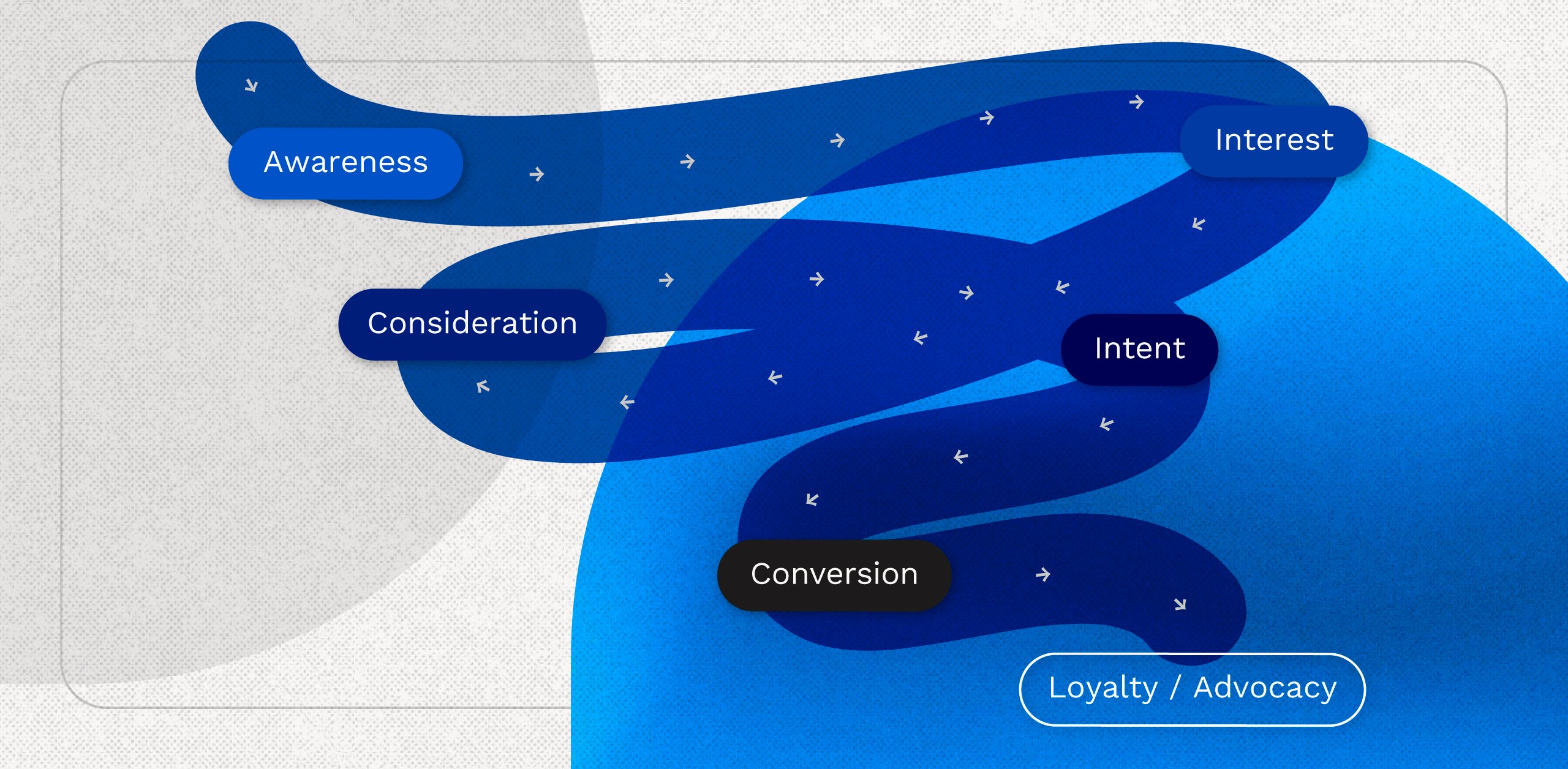
 Pro-Tip