







These Related Episodes
Featuring
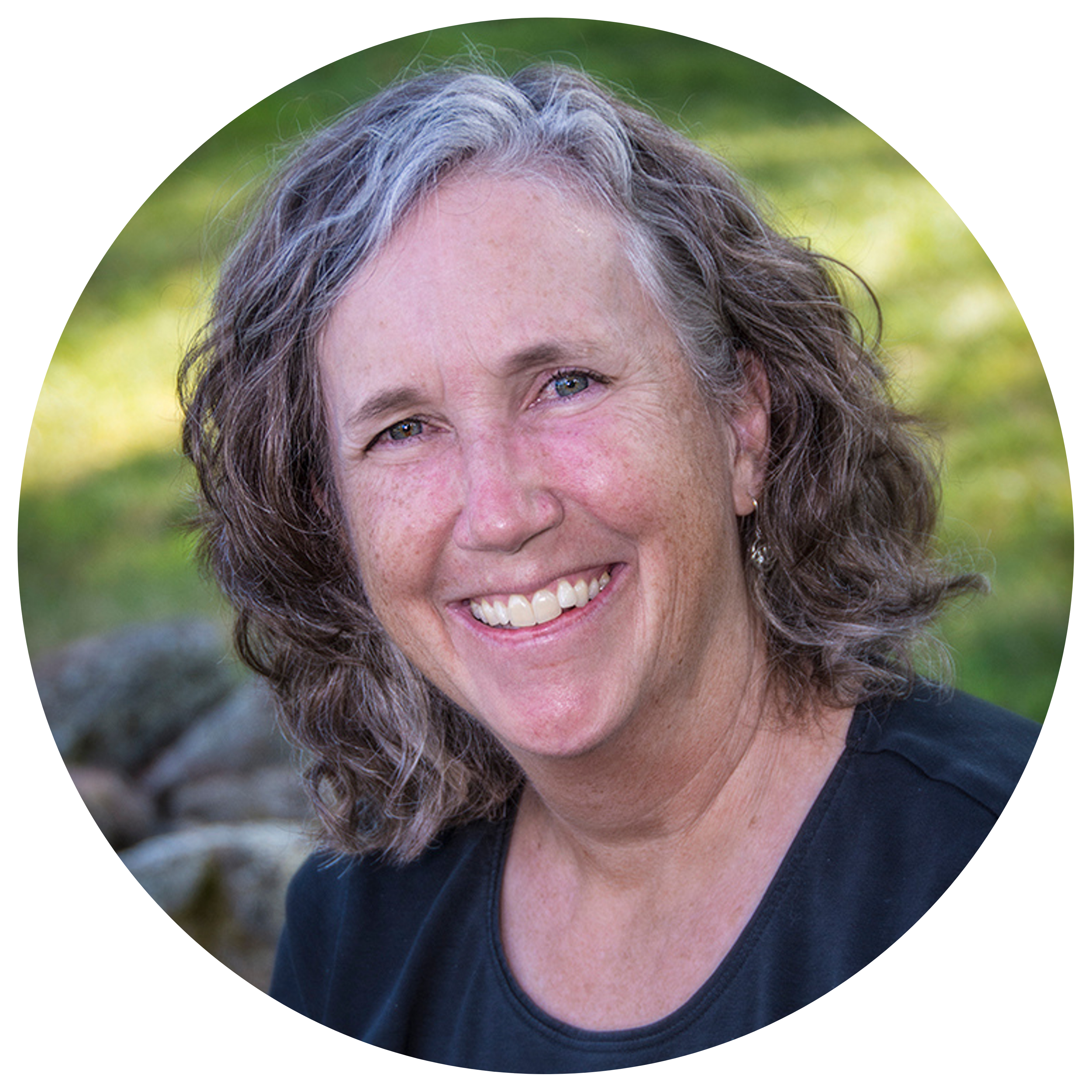
Megan Donnelly CFP®, CIMA®
Quabbin Advisors, LLC
How do you grow a financial planning firm while staying true to the reason you started it?
In this episode of Behind The Advisor, I sit down with Megan Donnelly, founder of Quabbin Advisors, to explore that question. After 11 years in corporate banking, Megan witnessed the fear and financial mistakes people experienced during the 2009 downturn. Seeing that need firsthand led her to build her own firm, with a clear conviction about who she wanted to serve and how she could help.
Megan shares why she deliberately grew slowly in the early years and what changed as she began putting more time and energy into growing the business. We also talk through the transition underway at Quabbin Advisors and how she’s defining the firm's future vision.
If you’re weighing how quickly to grow or what you want your firm to become, listen in for Megan’s perspective on making those decisions with your purpose in mind.
.png?width=672&height=168&name=XYPN%20Radio%20Blog%20signature%20(1).png)
Listen to the Full Interview:
Watch the Full Interview:
What You'll Learn from This Episode:
- Megan’s background in corporate banking
- How her mom influenced her transition into starting her own firm
- Her learning and certification journey with ChFC
- How she got her first clients
- Why did she transition from business clients to individuals
- What made her choose to serve the people that she does, and how that affects her pricing
- How she trains her clients and builds their independence and financial skills
- Her plan for streamlining the business over the next few months
- How she is nailing down her vision for the future of the firm
Featured on the Show:
- Megan Donnelly: Website | LinkedIn | Twitter
- University of North Caroline at Chapel Hill
- University of Massachusetts
- Wells Fargo
- Chartered Financial Consultant (ChFC)
- XYPN VIP Community
This Episode Is Sponsored By:
Read the Transcript Below:
00:00:01
welcome to xypn radio where your host Alan Moore brings you into a community of Fe only financial planners who want to profitably and successfully serve Gen X and geny clients if you're ready to get the knowledge you need from leaders in your field learn from forward-thinking advisors and take action on your own goals xypn radio is the show for you here's your host hello and welcome to this episode of xypn radio I am your host Alan Moore and I'm excited to have xyp member Megan Donley
00:00:28
founder of Quabbin advisors in Western Massachusetts on the show today Megan started her career in finance working as the relationship manager at a bank in 2009 she realized just how badly people were positioned to handle the downturn and with some encouragement from her mother decided to go start her own firm she first worked as a consultant for businesses that were trying to get loans from large Banks and all of the bureaucracy that comes with that all while also studying for her chfc and then cfp in 2015 she registered as an
00:00:57
raia and transitioned into doing individual client work she's chosen to go the route of working with clients from a variety of backgrounds and life stages and has priced her services to be accommodating to the variety that she ultimately sees she is a learner at heart and really does enjoy digging in to learn new subject matter expertise about 401K plans and that sort of thing she has hit a point where she can no longer continue to grow at the rate that she has been and is taking the next couple of months to really focus on
00:01:24
streamlining the business so she can then make some decisions around hiring versus staying solo it was great to catch her in the midle of the decision process around what she wants the business to be when it grows up since it's not always as simple to decide as it may seem XY planning Network's annual benchmarking survey is out are you curious about the average number of clients xypn members get in their first year or how successful niches really are to answer these burning questions and
00:01:48
more we've again enlisted a professional research firm to complete our annual benchmarking study get your copy hot off the press and discover Vital Statistics such as the median advisor Revenue by years in practice and sources of firm growth from referrals to blogging social media and more head over to XY planning network.com study to purchase your copy today you can find any of the additional resources that we mentioned during the episode at XY planning network.com 225 also be sure to go to XY planning
00:02:16
network.com viip to join our private group just for xyp and radio listeners it's the community of advisers we've all been looking for that's there to provide support when we need it the most best of all it's free I encourage you to check it out again that's XY planning network.com slvp without further Ado here's my interview with Megan hey Megan welcome to the show thanks so much for being on oh thank you great to be here so let's give listeners just a quick overview of you and your
00:02:43
practice where you're located number of clients when you got started and then we'll dig into the details as we go sure so I'm I'm currently in Western Massachusetts have moved around a good bit over the years but I went to college out here in western Mass and that's where the the name of The Firm comes from Cabin advisers for the Quabbin Reservoir which is a beautiful spot and I started my own business back in 2012 sorry that's when I started doing the financial planning only was back in 2012
00:03:13
for the few years prior of that I had been working with businesses and getting the designations and things like that to do the to do the financial planning so I started my own business in 2009 and since 2012 have been working solely with individuals on their financial plan and investment advisory and and over the years I've you know grown it and it's it's still growing and I'm coming to a point I'm sure we'll probably get into that a lot of people come to sort of a pause or thinking about a pause but I
00:03:42
currently have I was adding it up this year it's about 40 ongoing clients of of some stripe I do a few different types of services and then I have another handful of clients call it four to six in any given year that are repeat clients that that come back for a Refresh on the plan as a one-off and then so far this year I've worked with 13 new households wow and yeah like so some of those will be one-offs I'm sure some some might stick some might come back every once in a while and I'm I'm
00:04:16
scheduled with a few more clients and that's getting to be a lot for one person so I've been spending some time thinking through what's the best way to move forward and I think I'm going to take just a little pause towards the end of the year here and really work on streamlining processes and seeing what capacity that frees up I love it and it was funny when when you first started in saying you're from Western Massachusetts I feel like that's like being from Western New York it's just sort of like
00:04:47
what there's a West yeah like I thought it was it's not just one city there's a whole other state awesome well I can't wait to dig into some of that because like you said I think a lot of our listeners are starting to approach some of those compass City constraints or are you know there already and so we'll be good to to just sort of chat through what you're thinking there so tell me a little bit about your career you know sort of your career trajectory did you did you you know always know you wanted
00:05:12
to be a financial planner no it I started out you know years and years ago right out of college not knowing what I wanted to do and I got into doing some coaching and teaching and even a little bit of marketing you way back in the day I started realizing in one of those you know those benefits seminars that you have with your employer and you sit there and they go through the 401K options and so I was you know sitting in one of those and realized that I had you know no idea what they were talking about and you
00:05:45
know like no idea and I was looking at the one of my co-workers next to me and ask him you know asking him what he was investing in what should I do and that was a a big smack in the face of you know you got to get with it you have to figure this stuff stuff out and I started digging into it a little bit just out of personal interest and really enjoyed it and that's when the interest first took off but I still you know coached for a bit longer and then went back to business school because I got
00:06:14
the business bug and wanted to learn what I could about finance and so I went down to University of North Carolina Chapel Hill the Keenan Flagler business school which was just a fantastic experience and from there I went into corporate banking down in Atlanta and worked for the old wacovia bank and I did corporate banking for about 11 years at at mostly at wacovia and then Wells Fargo and it was during that experience where I really started thinking about launching a financial planning business and and a lot of what
00:06:52
I do I feel like is very similar to the job I had in corporate banking so it's you know I was a relationship manager working with the finance staffs of large corporations and helping them you know understand what their goals were understanding you know their financials and helping them achieve their goals and you know sort of like at its Crux that that was the job and that's what I do now and I really enjoyed it and it was during the financial crisis though that my mother actually pulled me aside
00:07:24
because i' I'd kept my ongoing interest in investing and personal financial planning top ICS and things like that and sort of one off you know would help family members and friends and it was my mother that pulled me aside and said you know people need help you'd be good at this interesting yeah and that really really started the wheels churning and started the planning process for me so you knew about financial planning before then I guess did you get introduced to the concept of financial planning
00:07:50
through your your banking days yeah so I you know it was aware of it you know on a number of levels so obviously I knew you know you know about Brokers and stuff and I did a little bit I did a little stint through equity research as an associate and and in that environment you know you very quickly realized you know you have to get your trades approved so I started getting familiar with you know Brokers and having to have certain accounts and you know what their jobs were and then became aware of
00:08:17
financial planners just through I'm not even sure how to be honest with you but you know just aware of Amer prise meeting some people you know some of the other firms that that started with the financial planning process and I just didn't it didn't occur to me that it was was something that that I could do you know so I sort of thought about do I want to join one of these firms and you know I just wasn't it just didn't seem like a great fit for me I'm not a very salesy person I prefer teaching and
00:08:44
coaching and guiding and so it took a while for it all to come together and and I'm grateful I mean it's you know things have changed a lot over the years I would never have been able to do what I do if things hadn't changed so much sure so when did you you ultimately make the decision to to start your own firm it was during the during the financial crisis it was you know after talking to my mother and talking to other family members and friends and really seeing the impact that that
00:09:17
financial crisis was having on individuals I mean it was bad enough you know I was a corporate Banker at the time dealing with large corporations and that was scary enough and they were scared you know so which was It was a weird really really scary time and just realizing the mistakes that a lot of people were making of you know cashing going to cash in their 401ks and you know hearing stories about people just just making moves that you know you know weren't good you know for the long run
00:09:47
and that's what got me thinking okay there has to be a way to to help people to to be able to work with individuals and families on Financial Planning and to make it a business and so that that's when I started even though I was still working at the bank I started looking at the different designations and what was required and what would it take to to start a business and understanding what an raia was and an i and all of the stuff that I didn't know about I andan it was just an education it was a slog I
00:10:18
really I really wish you had started this all years ago would have made my life easier I have heard that once or twice before yeah yeah it was it was a complete slog well so you started you left your Corporate Finance job or corporate banking job and started a financial planning firm in the middle of the recession is what you're saying yeah yeah good move right I'm just just being sure I'm clear here that is the exact opposite of what we hear from most people no I love it so do you feel like that was the right timing when
00:10:54
you look back that obviously the the need was there and you see so much going on you know would it have been a little better to wait a year or two till things settled out or did you find that you know it was a goodest time of as any yeah so I mean from the perspective of what was going on in the economy and and was I really ready in terms of knowledge of processes and and how to take the steps and work through it no it absolutely would have been better to wait a year or two but from the perspective of you know where I was in
00:11:24
in you know my life and what was going on one of the other things that was was going back then were was you know that Wells Fargo botw kovia so it was of my two Banks coming together and I'd been through a big merger between Banks before and it's just not fun I mean things just sort of grind to a halt you know career-wise for a year or so and it's just everything's in flux and I thought well you know it's all going to be in flux anyway and it's all going to be an upheaval I might as well just
00:11:55
leave now and you know just go start my own thing okay fair enough so tell me a little bit about the you know getting started because you mentioned earlier that you weren't doing financial planning yet you're really focused on some other type of work so can you talk to me about the work that you were doing early on sure yeah so it was a bit of a continuation of what I had done in banking so when I was in corporate banking my role was a relationship manager which just means you're the
00:12:24
you're the person you're sort of the point person within the bank for the corporation for everything from the loans to whatever other products they need whether it's you know cash management products derivatives foreign exchange trading a public debt offering leases real estate you know anything and so you have to know the companies inside and out and and the products inside and out and work and you know sort of quarterback the whole effort for on behalf of the bank and so when I decided
00:12:57
to leave one of the things that had occurred to me over the years of of being in that job is you know if you're on the other side if you're the client and you have a number of banks coming to you how do you know you know where the points are to negotiate a better deal right it was so it so it was providing a banker perspective to clients and saying you know here's here's how to get a better deal on your loan here's how to get better terms here's how to do rfps for the the products it was really just
00:13:28
helping them Drive some efficiencies and and learn a bit about what was going on on the banking side okay gotcha so so I guess who was your typical client then at that point so it was still businesses or yeah still businesses generally smaller businesses who you know because like a lot of things you learned that the the very large companies the ones that I was dealing with are sort of the Fortune 500 type companies you know they have huge staffs every Bank in the world wants to deal with them and so it's very
00:13:59
competitive and they get great pricing and great terms and and they're very sophisticated and they know what they're doing but as you move down ins size you know you've got smaller companies where they don't have a lot of experience working with banks they don't have a lot of banks you know coming to them and they might not know the lay of the land in terms of like how things proceed you know how to negotiate what terms are flexible and what aren't so it was just really almost being sort of a liaison
00:14:28
sort of an extra staff person somebody with experience that they could call on and say hey what is this how do we how do we manage this RFP you know what do you think about these loan terms you know what do you see going on what should we look for so then can you talk to me about sort of the evolution of the firm then and it sounds like you under you know or went and got some additional education and certifications around personal finance and sort of how the I guess how that has shifted for you over
00:14:54
time sure so the goal the whole time had been to at at some point just work with individuals right I I figured it would take me you know some time to build that part of it up you know so work with some businesses but over time incorporate individuals and and just the goal being doing exactly what I'm doing right now which is work solely with individuals on Financial Planning and investment advisory but it took a little bit of time to make that transition and so I was you know working with businesses
00:15:24
getting the chfc and then working toward Ward the cfp and I guess I must have written to the board or emailed them or called them or something and you know it was going to be that they for whatever reason maybe things have changed but none of the experience that I had as a banker was going to count so so the feedback I got was it's going to be three years of working with individuals on Financial Planning and investment advisory so I sort of had to just cut the cord and say you know okay great not the best from you know life
00:16:03
situation but okay so that's what I did so in January 2012 I like okay I got the ra set up and registered and ready to roll and then I was was eligible to get the cfp designation in 2015 okay so you okay so just thinking through the timeline you originally launched in 2009 yeah late 2009 yep so then you actually registered as an raia in 2015 so registered as an RA in late 2011 became a effective in in January of 2012 okay that makes sense and and that's when I did started you know with that
00:16:44
being effective that was the point where I did nothing but working with individuals and I stopped all the businesses to business stuff just to make things clean okay so you really did sort of a hard a hard transition at that point right y okay for listeners who may or may not be aware of the chfc can you just talk a little bit about the the education there and what made you decide to do that before the cfp and sort of how how they compare in your opinion since you've done both sure yeah I thought it was it was a great curriculum
00:17:14
great experience I actually I've also done the rscp through the American college and it's very similar in terms of the classes and the that you go through and and what what is covered with it's virtually identical with the Investments and insurance and tax and all of that it's all the major subsections plus a few extra courses which you know I enjoy it I love this stuff so I enjoy doing that and the reason that I I started with that honestly is one well two reasons I could use all of those classes and then go sit
00:17:47
for the cfp and two that designation they allowed me to use my banking experience you know as a as a relationship manager towards the designation and that allowed me to become you know file for an raia so it was really an important thing for me I was very happy to to see that I could do it that way okay so yeah so how did the the transition go you know moving from working providing these services to business owners to starting to provide them from individuals I mean was it basically like starting over from a just
00:18:23
an overall marketing and you know client attraction standpoint yeah it in some ways it was you know I had been you know sort of informally working with family and friends not anything very informally just of somebody that would you know people knew knew a little bit about 401ks and Investments and the rules around you know Roth IRAs and all of those things so I had had that reputation as being somebody that was that knew about those things so it wasn't that hard to sort of start up but it was really interesting difference
00:19:03
from going from a very formal corporate banking approach to dealing with clients to what is now and much more suited to me I think a very informal approach to sitting with people you know frequently in their living rooms and and talking about their finances it's a much you know much more personal situation and it's I think for me you know you have to be ready for that I mean it it's just a different level of working with people and and what you know about them and the level of trust that has to be there so
00:19:42
how did you you know I guess go about getting those first few clients were they family and friends that that ultimately signed on or did you I guess what where did you initially Focus yeah no it was people that knew what I was doing and and getting ready to launch and just said when you're ready to go let me know I want to work with you so it you know as you know out of the gate I had a handful of people right away and then they referred me to other people who referred me to other people and so a
00:20:11
lot of what I've built up over the the past few years has been through referrals you know people referring me to their friends their friends and family and then where things really started to mix was once I did have this cfp designation being in the various databases that are out there that brought in a different element of you know now people could find me I don't really do any advertising which I I think most people probably don't sure and so it's just really people finding the databases like going to the let's
00:20:44
make a plan or Napa or you know XY or whatever and that's continued now it's probably a 50-50 mix now 50-50 mix on referrals versus finding you online right right in one of the yeah and it's interesting because I I always ask people how they find me and a lot of them will say well Google search but if you you know press them a little bit they'll say well I I searched for these terms because I heard that those were the important things and I went to these sites and I looked up and
00:21:15
I saw you were there and then I went back and Googled so it's it's hard to really parse out exactly where people hear from but they I think they now know I've I've actually in the past week gotten to XY referrals people say I went out I checked you there then I Googled you and now and then I called you oh that's awesome that's good to hear yeah yeah so and that happens a lot and and so even though it might not come directly through that awareness from you know XY and F only and Napa and cfp and
00:21:43
FPA all adds up just start yeah the the awareness starts to build and that's it would be really nice if prospective clients could say or new clients could say yeah I typed you know this exact phrase into Google and then I found your website but they don't know they they know they found you on the internet which I'm actually I'm impressed that they can tell you they saw you on xyl network.com or you know cfps website or whatnot so so just curious you know because of the the the shift that you
00:22:09
made in the business from working with businesses to working with individuals is that something that you had a conversation with your business clients about that that you were going to be going a different direction or were you know was it just a good natural time with a lot of contract sort of winding down yeah and it was it was something that that people knew and a lot of what I did with the business was actually just by its nature transactional and sort of oneoff like a business will redo its bank loan you know once every three
00:22:39
years or so so it's not a big deal right and and I was just someone they brought in as a consultant to help with transactions it's like we're redoing the bank loan you know help us review the the term sheets and the deals and market pricing and whatever or we're doing this RFP for services you know help put this together so it was very transactional so it was not really not that difficult okay so when you first sort of transitioned over then and and started working with individuals did you have
00:23:10
sort of in mind what type of client you wanted to work with or sort of a niche you know client base in mind or or did you sort of Go a different direction with that yeah so I didn't really think of it in terms of a niche the way that I think a lot of advisers at XY do I honestly thought of it as people a lot like myself growing up right so I grew up in in a middle class family you know what what my mother called hanging on to the middle class by our fingernails and I I wanted I wanted people who work really
00:23:47
hard to have an opportunity to get good Financial advice and and that was the initial thinking and and that's what I still continue to Aspire to do that's that's what drives me so it's not really a certain profession or a demographic or or anything like that it's it was really about helping making available at an affordable price point to you know a wide swath of people and I work with I do have a number of high net worth clients I also have a number of middleclass clients and and I like that
00:24:23
variety and for me that works and it's it's similar like when I was in banking for a few years I had I worked in an industry group so sort of like Niche focused where every client you have is from this exact same industry and that can be great for a lot of reasons it's very efficient you know you can get very deep with knowledge and about the clients and about their industry but for me I like a breadth of knowledge I like making connections between different things I think I'm a better adviser when
00:24:54
I when I see a variety of situations that I can then pull from to help people that that's how I'm more effective I do see that you know there there's a lot of benefit in some ways to to have an in Niche right certainly can make you more efficient in terms of your knowledge but my hope is that if I can be really effective and get smarter and much better with integrating technology and being more efficient with my processes that I can drive my efficiency there and I love learning so I love learning about
00:25:27
other people's Industries you know what types of Pensions they have in this industry versus this one different 401K plans different everything right so I like the variety that I have of working with I've got you know Executives that have the whole stock option packages and all of that and I've got people with Union pensions and I love it it's it's a great mix are you comfortable with the the classification or I guess sort of the metaphor of saying like you're basically taking the general practitioner route or
00:25:58
the The Family Doctor route versus going The Specialist route of you know just enjoying a lot of different things coming across your desk versus you know sort of specializing in in just being a really deep subject matter expert in one particular area yeah I think so I mean it's it's I like to work with people from a variety of of backgrounds that's interesting to me if I specialize in anything it would be you know in the investment process like that's the part that I really love of doing the most and
00:26:30
and that's usually what people want the most help with so that works out well and I enjoy that I enjoy educating people on investments and allocation strategies and you know everything to do with investing is I love it it's you know that's I spend a lot of my free time reading investment books and prospectuses and all of those things that oh say perspectives I'm I'm okay I'm with you on investment books but when you say perspectives that that is is Way Beyond my tolerance well I think I think that
00:27:02
might go back to also you know being in in corporate banking was you know when you had the companies working with them and and underwriting loans you know you had to dive into the you know 10ks and 10 q's and you know all the SEC filings so yeah I think it's fascinating I think I love it I love learning how business is run I love learning how you know different funds operate and how they're invested and it's just fascinating to me I love that there are people who love it that that is and I appreciate
00:27:34
that so that's funny so yeah so do you find there are any similarities between your clients I mean it said I mean you said you have some high net worth folks and some middle-income folks and Executives like are there common threads maybe maybe not from a profession standpoint but maybe from a psychographic and just the type of person who's coming to you oh absolutely yeah and and yeah I guess if you can have a a behavioral Niche but I have a behavioral Niche most of the people that I work with have not had advisors in the
00:28:05
past and did not ever think they wanted an advisor because they just didn't like the approach or the price point or what have you but yeah so I would say it's people who are pretty independent who like to have some of the control who want to learn you know maybe learn with a little bit of a a safety net underneath them but like how to do the trades how to think about it you know in little doses you know not overwhelming but my goal as I I say to my clients all the time is if I get hit by a bus I want
00:28:39
you to be able to say oh you know too bad but I know what to do you know I understand the allocation I you know I know enough to know how to make trades I know what the required distributions are you know like they know enough to even if they go get more help from somebody else they're going to be smarter about it they're they're going to find somebody that's a good fit for them because they they Now understand more than they did before so they've got a little bit more Independence and ability
00:29:05
to take things on themselves you know that's uh it is a unique perspective because I think a lot of advisers are concerned well if they could leave me if I get you know died and they're able to be just fine without me that means they're just fine without me while I'm alive right because what's the difference so then why would my client keep paying me so how do you think about that with you know whether or not the the clients will stay clients if you Empower them to not need to be
00:29:32
one yeah and well I think that comes down to you know price and value right and so so I do things the way I set everything up is I try to view it as if I were a client what would I want how would I want it set up how can I make it clear how can I make it easy so so there's no requirement that clients move their accounts to you know a custody of TDM trade no requirement they they move accounts to TDM trade I explained that the benefits of it you know access to different funds and things like that but
00:30:04
if they want to leave their Accounts at Fidelity or Vanguard or whatever they hook them up through Adison so that I can see them and track them and the do the transactions and all of that stuff and and you know make the recommendations and for some of them I even sit on screen shares and watch them place the trade you know because they want to they want to learn how to do it but because I don't charge as much as well a lot of people I mean I I'm you know I have pretty low fee the value I
00:30:33
think is still worth it even to people who now know exactly what they're doing so they get to learn how to do it they place the trades they feel good about it they're they're getting gaining confidence but then they also know that I'm out there reading the prospectuses and you know reading the books and listening to the shows and the newspapers and all of that and you know keeping an eye and being another opinion for them you know I've got that are Financial people they absolutely don't
00:31:00
need me but they they like having someone to bounce ideas off someone else's opinion and it's worth it to them yeah it's that it's that accountability coach that that person who's there to you know handhold through those challenging situations or or the the easy situations that just always pop up and are things that you just get life just gets in the way of so sure yeah I remember my first boss used to say if he had a 100 clients he was his 100 first client and so it's hard to uh hard to do
00:31:31
it yourself sometimes so easier to to have somebody else that that's there to hold you accountable so you mentioned that you are lower on the fee schedule so can you tell me about your fee schedule and how you charge for financial planning and Investment Management sure so I start everybody off with some sort of financial planning right so if somebody comes to me and says hey I heard about you from soand So You manag their Investments I want you to manage mine step one one is to take one step back and say okay we're going
00:31:59
to do a financial plan first and that's just my Approach I don't feel like I can give proper advice if I don't really understand someone's goals their resources you know what they're thinking how they act all of that so everything starts with a with a financial plan and you know that's sort of a a one-off charge and then at that point they can do whatever they want so some people come back every year and just do an update and they pay a onetime fee for the update other people you know want
00:32:33
some help with items throughout the year want to touch base on things whether it's you know 529 or taxes or Roth or anything like that they want access and an annual update and so we come up with a fee for that and then there are other people that anybody who wants ongoing help with their Investments who wants the investment advisory that's another contract that's a totally separate service and you know they also get the ability to to have an update to their financial plan and sort of one-off
00:33:04
questions about planning and mortgages or whatever comes up and so for that last group I base the fee off of AUM but it's all asset it's all of their investable assets because I want to see the whole picture right so part of the reason the fee is lower is because you know it's also off of their 401k or their annuity over here or you know whatever so it's it's looking it's telling people I need to see everything you have so that I can give you the best advice you know I'm not going to just
00:33:36
advise on one account because I have no idea how the rest of your money is invested and I I just I'm not comfortable doing that so I I do base the fee off of all the AUM but you know it's it's 15 basis points and so it's it's pretty affordable even wow 15 basis points all right that is the lowest fee I think I've have heard on AUM so well I do there is a minimum right so there not a minimum AUM so it's $750 a year is the minimum fee if you want that so that equates to you know
00:34:10
$500,000 right but that's for people like if if they if they're starting out and have 100,000 and they they want that much handholding I mean I make it clear to them that you know this is you might be better off with another service but sure if you really want to do that sure yeah and this is the fee and you know most people take my advice and say okay we're not really quite ready for that once a year look at the Investments is plenty but you know for for other people it's it's a good deal
00:34:36
so but you are looking at the fee again you're billing the fee on all of the Investments why I should say you're calculating the fee on all of the Investments how did you come to the the number 15 basis points because I mean theoretically you could charge 1% which is what seven times that fee and you know Market would say that they would pay it so why why 15 basis points versus a higher fee so that was sitting with an Excel spreadsheet and you know rows of of different asset levels and you know
00:35:11
Columns of different basis point charges and just sort of eyeballing it and saying what do I think is an affordable reasonable fee for middle class clients who have about X Dollar in assets and that's sort of how it came about and a few things that you know go into that so part of it you were asking about what clients have in common another thing they have in common is so they understand I I don't espouse a lot of trading I that just wastes money and it's you know counter to you know good
00:35:48
investment returns over time so the they long-term investors they're patient investors they're disciplined investors they appreciate low fees you know so it's getting people set up getting them in an asset allocation getting them in a portfolio of what I consider to be quality Investments and then you're sort of tinkering around the margins you know rebalancing making adjustments as needed but once it's set up you know there's not a lot of trading going on that's just not who I am like I'm very quality
00:36:26
focused and once I find good Investments good funds good good ETFs I don't see a reason to you know just shop around for the shiny new toy and then you may have said this but with your planning fees how are the the planning fees determined and what are sort of what's your range there so they're based on like a lot of people based on complexity and time I think it will take to to do the plan and a lot of people you know I I offer comprehensive plans most people choose plans that have
00:37:04
you know a real focus on the cash flow and the budgeting and the Investments and touch on insurance and touch on Tax Strategies so not what I would call like a full-blown comprehensive plan but you know very deep in a in a few sections and and some highlights on other sections and again really depends on complexity but for individuals that commonly comes between you know call it $750 and $1,200 and for couples you know a low end a very low end would be like a thousand and you know up to maybe 22200 for that you know that's about you
00:37:44
know8 to 12 hours of work whatever and that's sort of for The Upfront plan and then how are you charging on an ongoing basis for that financial planning relationship yeah so for the people that want that ongoing it really is again it's like okay what do you want to accomplish in the coming year and so it's you know looking at an annual update of the plan and some people you know younger clients might be wanting to set up 529 plans getting some life insurance and understanding how to do
00:38:16
that paying down debt obviously is a big one saving for homes and it's it's just looking year by year so each year it's it's okay what are we going to work on and hon ly some years there I've got clients where we'll do an ongoing retainer for a year or two because they've got a lot going on and then if it looks like it's going to be sort of clear sailing for a while we'll hold off on that and just do an annual update of the plan and then something comes up and
00:38:46
you know it's designed to be whatever they need to go back and forth that they they don't have to keep renewing if they don't want to so it does sound like you you provide a lot of flexibility and you're you know giving you're you're willing to be flexible based on what clients are looking for and that sort of thing do do you see that being an inhibitor for you to be able to scale and and continue to grow or you finding that that is successful for you being flexible and and providing some of these different
00:39:17
options yeah so I think I'll always I well I should say my goal is to always have capacity for the one-off plans for the people who you know something has come up they they need to know if they can retire or there are layoffs coming at the company they don't need they want to know if they should take the pension you know or the lump sum you know I want to be available for for that for some number of of clients for that but in terms of scaling the the other side the the ongoing side that is getting a bit
00:39:51
more difficult and where I think I am probably going and that's what the next few months are about is that almost looking at you know maybe not specifically model portfolios but really honing down the number of Investments that I recommend which I've been doing over time anyway and you know coming up with model allocations and and things like that and and making that a more streamlined process right so it's it cuts down on the number of Investments that I have to stay up on streamlining
00:40:21
the the the actual planning process using things like you know the the precise FP to get the the data into eone you know just connecting the technologies that I have making that process much more streamline much more efficient both on the financial planning side and also on the investment side to be able to do you know rebalancing and have have much more similarity like what you guys were talking about at the conference which really did hit home with me you know sort of the Starbucks effect right that you that there has to
00:40:51
be some systems in place to make things more efficient right so if you're if if you're looking at a business you've got revenue Minus cost right is all you have and and revenue is is price times volume so you've got price you've got volume and you've got cost and I'm trying to do my best to hold the price at a reasonable level and that means I need to generate more volume and be smarter with the cost and that's what I'm wrestling with so I mean what is your vision for
00:41:23
the business it sounds like you've been able to to sort of steady grow it and and it sounds like it you know you can tell me it sounds like it's been able to support your lifestyle and and the type of work you've wanted to do but you know at this point with the business what what are you seeing for the future what are you trying to grow it to be yeah and that's I'm not 100% sure and that's another thing i' I've been sort of going back and forth on is is is it time to hire someone is it time to
00:41:52
partner with someone or is it time to sort of try to cap it and and just sort of Ride Along with slow growth and I'm not 100% sure I I enjoy the the flexibility that I have enjoy the freedom that I have to decide you know when to do things where to travel what clients to see all of that and I really don't know I mean it's whatever I do I want to be able to do well for the clients that I'm working with and and I don't want to be overstretched that's not fair to them so it's that's what I'm
00:42:25
you know just really trying to figure out I mean so Step One is see how much more capacity I can generate by being a bit smarter by being more efficient in all parts of the services that I offer so that's step one and I want to you know see what I get in capacity there and then try to figure out if it then makes sense you know I have been Outsourcing some stuff so Outsourcing the bookkeeping this year that's freeing up time you know are there are there other places to Outsource or then do I
00:42:56
hire a parap planner virtual planner you know team up with somebody I'm just I'm really not sure what do you and it's totally fine to not be sure yet right it's it's kind of fun to catch people in the middle of some of this decision process because it's interesting to see you know just what all goes into it it's easy afterwards to be like of course like I it was easy to make this decision what does go into the or I guess what's going on in your mind when when you're
00:43:21
thinking about what you want the business to be and and I guess the pros and cons of it and the different directions that you could go yeah so the pros and cons of well of hiring somebody like I'm not you know and I know I've heard you talk about this like I'm just not terrifically interested in managing sure somebody and I just don't want to deal with that I don't want to deal with payroll I just don't it's and nothing wrong with that no shame in that it's good to know that versus doing it and
00:43:52
hating it so right yeah and the things that I love I love to to do the Investments I love working with clients and you know I'm not looking to retire I love this I don't think I will retire until you know I absolutely have to you know it's I sort of see it if anything it's like clients get tired of me you know when I'm you know can't hear them anymore and can't walk and I'm you know like 87 that it just sort of goes away I don't know I don't plan to retire I I
00:44:24
love the Investments I love the financial planning and I I think I will always find a way to to work with at least some clients yeah I I I love it anytime the pundits start talking about that you know we're going to lose 100,000 advisers in the next 10 years to retirement and I'm like I I've met maybe like three advisers who retired ever because if you own a big business okay you know you Ely have to sell it but for folks who who are Solo preneurs or or in sort of the boutique size firm
00:44:56
M selling I mean one like this is a this is a job you can do well into retirement age for one and two it pays a lot more to keep working than it does to sell the firm you know it's like if you're why sell it for two times Revenue when you can just keep making the revenue for another five or 10 years and then sell it if you so chose right so yeah I I think many many advisers will be running their business what do they say they'll die with their boots on right is just sort of the reality so so are you
00:45:26
structuring The Firm to be able to have flexibility as you at what point you approach retirement age that you'll have more freedom and flexibility to be able to to do some other things besides just the business or do you really see yourself like yeah I I enjoy doing this this is my full-time job I'm GNA keep doing this as as long as physically I'm able to yeah it's probably more the latter right now and and that might change in I don't know 10 years or or 15 years but I like I said I love what I do
00:45:53
I I spend you know I work a lot of weekends and I I work evenings I do need to do a better job about taking you know carving out more time off just for the recharging aspect of it but I I love it I love you know you know in the evening I I do I pick up the books I you know I'm researching Investments online I just enjoy it and I can't imagine not doing it so I'll always do this for some group of clients or for myself if everybody goes away you know what I do what I'm interested in isn't isn't going
00:46:30
to change so yeah I don't really know I it seems like a wishy-washy answer it's hey the beauty of being the business owner is you get to be wishy-washy and decide whenever you want to decide so so you did mention that this year alone you've brought in I think you said 15 new clients and so are those still sort of breaking down along the lines you mentioned earlier of uh 50% coming from referrals and 50% coming from online or are you seeing some new Traction in any particular areas yeah I
00:47:01
I pulled up this stuff earlier today and I'm now looking sort of scanning the names and probably like I don't know maybe three4 to 90% of the new people are not referrals which is interesting so you're starting to see some some pickup from some other areas as well interesting yeah yeah all right are have you been putting any f into areas other than just sort of being what I call passive marketing being listed on Napa and XY and that sort of thing or no I haven't and that's the you know so what we're
00:47:37
you know you're talking about basically what do you want to be when you grow up when your business grows up and and that's the part where I really I I really feel like I need to pause things for a few months and and figure out the capacity because I haven't been it's all just been passive and you know sort of incoming and I do you know I I want to get a feel for what else could I do is is there a way to for me to offer services to reach more people can I grow it do I want to grow it you know by a
00:48:08
lot I feel like there's stuff that I can do online that you know there there were a bunch of people who even though I try to be as affordable as possible there are people that I've talked to over the years who are in real need of financial planning help that that can't afford the fees and one of my goals is has been to try to figure out some way to to get information at an even lower price point right so obviously not one-on-one financial planning but you know worksheets and you know maybe little
00:48:39
recorded videos and walking people through step by step and where they can get an an even lower price point at least get some answers so I've been playing with that idea for a while and we'll be redoing relaunching the website soon to to have the ability to have page is where I can do that of posting content and you know possibly offering that down the road okay yeah so what are some of the other projects or anything that you're thinking about or over the next let's say six to 12 months that
00:49:09
that you're going to be taking on or is it really you know is the focus really now about trying to figure out what the business is going to be and preparing for you know whatever you ultimately decide there yeah so the so the two big things preparing for is is you know what I talked about with the relaunch of of a website and trying to see if one I'll be putting up that sort of content for current clients right having a page on the website that is for current clients where they can go in and get answers to
00:49:37
things like you know hey how do I use the e-money how do I navigate around TDM trade but also things like you know doing little screen shares about how to analyze a mutual fund reminders about like this is the Roth IRA breaking down accounts breaking down some of the most common financial planning questions that I get so a place that they can go it's like client resource area so putting time into that and maybe from that being able to pull some of it package it and offer it to people at a lower price
00:50:07
point for you know just sort of oneoff at least get started get some answers and maybe down the road you know you might need a little bit more help but maybe this will do that's one side and then the other side is really you know as you had mentioned is streamlining on the investment management side and trying to streamline that process and you know come up with more you know model portfolios if that's possible I mean you know I don't know if that would be a great fit but sort of at
00:50:37
least exploring the idea of using model portfolios for some clients to to drive some efficiencies that way makes sense so you know if you look back over the the years that you've been in business now what would you say have been sort of one one highlight of a success that you've had that you feel like listeners could replicate and maybe one failure that you feel like you've had that you listeners could learn from and maybe avoid the mistake that you made oh my gosh the failures a lot of the
00:51:10
failures were sort of process issues of of just not being really mindful of the steps to take and how long it would take right so when I way back when I was still at wellsh Fargo and was thinking launching the business I actually went to did a Harvard exec Ed Course which was fantastic and it was it was for women that were at some change in their career whether it was coming back into the workforce or or changing career trajectories and that was fantastic and I got to meet with some professors and
00:51:41
and Consultants that had started their own businesses and they had said you know great that yep yep this looks good this looks good good idea just keep in mind it's going to take you twice as long to hit your Revenue targets and your expenses are going to be twice as much is what you think yep always and oh my God yeah dead odd and I tell people that all the time so like that if I had one thing to tell people is expect that right and and then then I would add one more and it's going to be
00:52:09
twice as hard as you think so that was not I just wasn't as prepared even though people prepared me for that I was not as prepared as I probably should have been and and just having to go through that that slug they don't have to go through that anymore I really really wish you guys had been around when I started so that's huge but but still that you know twice as long cost twice as much and it will be twice as hard and in terms of replicating successes gosh I honestly don't know I
00:52:39
honestly don't know I just I don't know I just do my best for the people I take people as they are in front of me and I do my best for them and I just let that stand I I mean I've had good good luck with referrals part of it I hope is because of it's been good advice part of it I know is because it's affordable enough for a lot of people so I I don't know that I would say I've had any huge successes that anybody could learn from but you know just persistence pays just
00:53:06
keep going yeah and really your your answer would answer my final question of of what piece of advice would you give your younger self which is you know it sounds like it it it's going to be twice as hard it's going to be twice as expensive and take twice as long so just be prepared and that's it is good advice that you know it's easy to forget that when you're you know in the middle of it and just so excited to get started and and you're pure adrenaline Pure Energy but it is a it is a tough road and while
00:53:34
XY you know our our goal is to make it easier we do not make it easy just easier and we would like to make it a little faster but we don't make it you know extremely fast you know in the end we all go along the same journey of Entrepreneurship we all ride the same highs and then down into the same lows some people are able to get through some of that a little faster than others but in the end we all go through it so right right yeah and the the other sort of you know similar vein to that is that some
00:54:03
clients you know it takes them time right so I had people reach out to me in year one and didn't do anything with me until year three or year four yeah so so just to be patient with that and just you know keep dripping with newsletters and things like that which I don't do enough of but you know to keep that out there and and people will come around when they're ready and just just be ready when they are and and don't take offense if you know you think somebody should want your services and you know
00:54:34
they'll they'll come around when they're ready they'll be there fair enough well Megan thank you so much for taking the time to come on the show and and share your story and what you've been up to and sounds like it's going to be an exciting next few months as you make some decisions about you know what's going to be next so I appreciate you taking the time to come on the show it was fun I enjoyed it thank you XY planning Network's annual benchmarking survey is out are you
00:55:00
curious about the average number of clients xypn members get in their first year or how successful niches really are to answer these burning questions and more we've again enlisted a professional research firm to complete our annual benchmarking study get your copy hot off the press and discover Vital Statistics such as the median advisor Revenue by years in practice and sources of firm growth from referrals to blogging social media and more head over to XY planning network.com study to purchase your copy
00:55:27
today be sure to join our VIP community at XY planning network.com viip to hang out with other xyp and radio listeners ask questions for future mailbag episodes with myself and kitus and to finally find a community of like-minded financial advisers thanks so much for joining me today we'll see you next time you're not alone and you're not crazy it's scary starting building and growing your own financial planning firm and that's why we put together a free private Community Just For You The
00:55:53
Cutting Edge financial planner go to XY planning network.com slvp or text xypn radio to 33344 and join a network of thousands ready to change the lives of Gen X and geny [Music] clients
Unlock behind-the-scenes content—subscribe now!
Featuring
Megan Donnelly CFP®, CIMA®
Quabbin Advisors, LLC
Share
Laying the Groundwork: How Financial Coaches Strengthen Advisory Relationships
Laying the Groundwork: How Financial Coaches Strengthen Advisory Relationships
Aug 13, 2025
Scaling a Financial Planning Practice Through Merging
.jpg)
Scaling a Financial Planning Practice Through Merging
Jun 18, 2025
Convert Financial Planning Leads to Clients
Convert Financial Planning Leads to Clients
Dec 17, 2025